
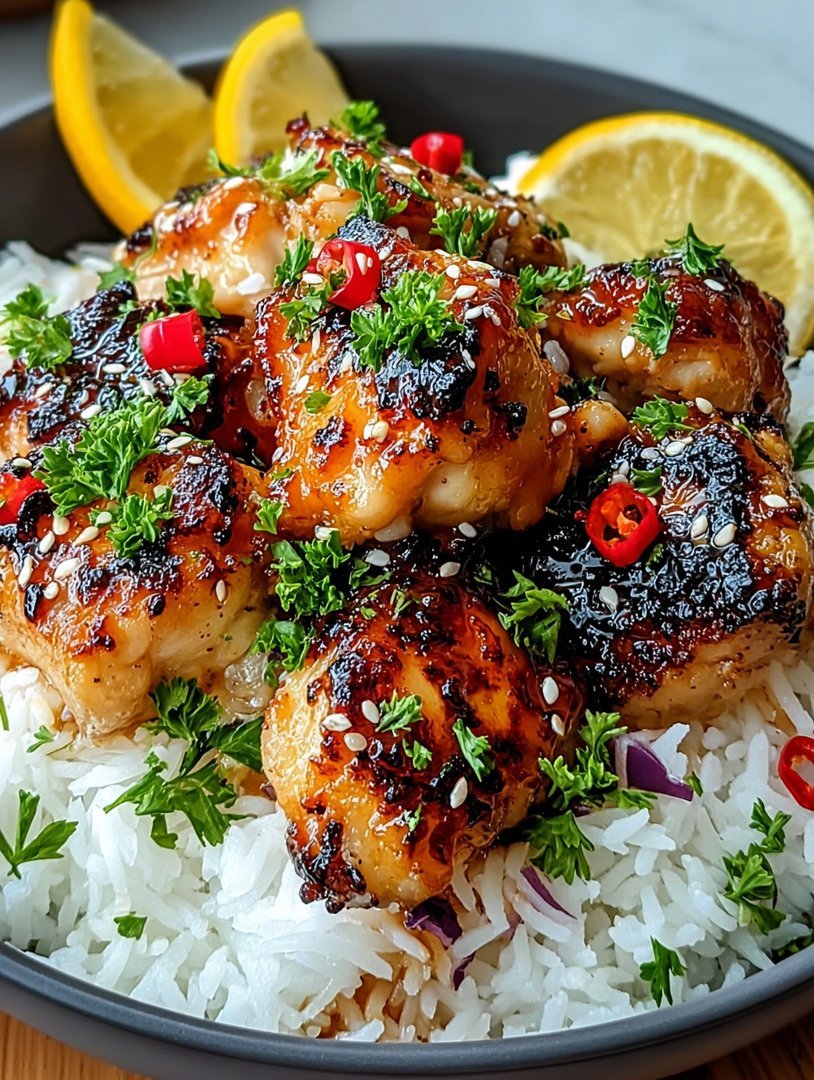
When that tropical craving hits, nothing satisfies quite like sinking your fork into tender, caramelized chicken paired perfectly with creamy, fragrant rice. This isn’t just dinner; it’s a mini-vacation on a plate, delivering sunshine to even the gloomiest Tuesday.
Get ready to master the art ofHawaiian Chicken with Coconut Rice, the only recipe guaranteed to make your kitchen smell like a five-star island resort while keeping dinner stress-free.
- The vibrant blend of sweet pineapple and savory ginger creates an irresistible, perfectly balanced flavor profile you will crave often.
- This straightforward recipe uses common pantry staples and requires minimal active cooking time, making it ideal for busy weeknight dinners.
- The rich mahogany glaze on the chicken contrasts beautifully with the snowy, glossy coconut rice, ensuring stunning visual appeal for guests.
- It offers tremendous versatility; serve it traditionally over rice, wrapped in crisp lettuce cups, or tossed into a quick lunchtime salad.
Hawaiian Flavors 101: Why This Recipe Works
I first attempted this recipe after a particularly miserable winter storm had buried my car and my motivation. I needed sunshine, but since a plane ticket wasn’t an option, I decided to cook my way to the equator. Many attempts followed, some involving overly sugary sauces that tasted more like a candied mistake than a meal. But through trial and error—and a few accidental kitchen explosions—I perfected the balance of sweet, sour, and savory that defines great Pacific Rim cuisine.
This dish relies on a simple, yet powerful, flavor triad: fresh ginger, tangy pineapple, and savory soy sauce (or a suitable gluten-free alternative). The pineapple juice not only adds a characteristic sweetness but also contains enzymes that work wonders on tenderizing the chicken breast or thighs. We skip the heavy, cloying sauces often associated with generic “tropical” dishes and focus instead on a glaze that caramelizes perfectly in the oven or on the stovetop, locking in moisture and deep color. The coconut rice is the unsung hero here. It acts as the perfect, soothing canvas, balancing the punchy flavor of the chicken. If you can make standard rice, you can conquer coconut rice, I promise. It’s mostly about swapping water for coconut milk and trusting the process.
The Secret to Juicy, Flavor-Packed Chicken
The biggest challenge when cooking chicken in a glaze is preventing it from drying out before the sauce fully caramelizes. We address this in two ways. First, we use chicken thighs if possible, as their higher fat content makes them naturally more forgiving. If you prefer white meat, lightly pounding the breasts to an even thickness ensures uniform cooking. Second, we apply the initial glaze halfway through the cooking process. This prevents the sugars from burning too quickly while ensuring the internal temperature of the chicken reaches perfection just as the glaze turns thick and sticky. You want that deep, mahogany color, not charcoal briquettes—a simple glaze reduction at the end helps achieve glossy perfection.
Mastering the Perfect Coconut Rice Texture
Coconut rice should be fluffy and separate, not sticky or mushy. The trick lies in using the right ratio of liquid to rice and selecting full-fat canned coconut milk. Light coconut milk simply doesn’t deliver the necessary creaminess or flavor depth. You must rinse the rice thoroughly before cooking to remove excess starch. This step, while seemingly tedious, makes all the difference in achieving that wonderfully light and separate grain texture. Once the rice is rinsed and combined with the coconut milk and a pinch of salt, bring it to a boil, immediately reduce the heat to the lowest setting, and cover it tightly. Resist the urge to peek during the steaming phase. That sealed environment is critical for the steam to do its magic and infuse every grain with tropical fragrance. Fifteen minutes later, you simply fluff it with a fork, and the tropical paradise is ready.
Ingredients for Hawaiian Chicken with Coconut Rice
Here’s what you’ll need to make this delicious dish:
- ChickenUse boneless, skinless chicken thighs for maximum flavor and juiciness, or breasts if you prefer lean meat.
- Pineapple JuiceThis forms the base of the marinade and glaze, providing both sweetness and natural tenderizing enzymes.
- Soy Sauce or TamariEssential for the deep, umami savory notes; Tamari is a great gluten-free alternative.
- Brown SugarWe use just enough to aid in caramelization and balance the acidity of the pineapple.
- Fresh Ginger and GarlicThese aromatic staples provide the necessary warmth and depth, avoiding the flat taste of dried seasonings.
- Chicken Broth or StockUsed to thin the glaze slightly, ensuring it coats the chicken evenly without becoming too syrupy early on.
- White Rice (Jasmine or Basmati)Choose a long-grain rice variety that maintains its shape and fluffiness well after cooking.
- Full-Fat Coconut MilkThe critical ingredient for the rice, providing a rich, creamy texture and distinct tropical flavor.
The full ingredients list, including measurements, is provided in the recipe card directly below.
How to Make Hawaiian Chicken with Coconut Rice
Follow these simple steps to prepare this delicious dish:
Step 1: Prep the Chicken and Marinade
Cut the chicken into uniform 1-inch pieces. In a medium bowl, whisk together the marinade: half of the pineapple juice, grated ginger, minced garlic, soy sauce, and a tablespoon of brown sugar. Add the chicken pieces, toss well to coat, and allow the chicken to marinate for at least 30 minutes, or up to four hours in the refrigerator. Preheat your oven to 375°F (190°C) and lightly grease a baking dish or line it with parchment paper.
Step 2: Cook the Coconut Rice
Rinse the rice thoroughly under cold water until the water runs clear; this removes excess starch. In a medium saucepan, combine the rinsed rice, full-fat coconut milk, a cup of water, and a pinch of salt. Bring the mixture to a rapid boil over medium-high heat. Immediately reduce the heat to the lowest setting, cover the saucepan tightly with a lid, and let it simmer undisturbed for 15–18 minutes. Do not lift the lid during this time.
Step 3: Bake the Chicken
Remove the chicken from the marinade and arrange the pieces in a single layer in the prepared baking dish. Reserve the excess marinade. Bake the chicken for 10 minutes. While the chicken bakes, prepare the glaze by simmering the remaining pineapple juice, remaining brown sugar, and chicken broth in a small saucepan until slightly reduced and thickened.
Step 4: Glaze and Finish
Remove the chicken from the oven. Brush half of the prepared glaze evenly over the chicken pieces. Return the chicken to the oven and continue baking for another 8–10 minutes, or until the chicken is cooked through (internal temperature of 165°F or 74°C) and the glaze is bubbly and caramelized. If you want extra color, turn the oven to broil for the last minute, watching constantly to prevent burning.
Step 5: Fluff and Serve
Once the rice has finished steaming, remove it from the heat and let it rest for five minutes, still covered. Use a fork to gently fluff the grains, ensuring the coconut flavor is distributed throughout. Transfer the fragrant coconut rice to plates, top generously with the caramelized Hawaiian Chicken, and garnish with reserved fresh pineapple chunks and sliced scallions for color and crunch.
Transfer to plates and drizzle with any remaining pan sauce for the perfect finishing touch, maybe accompanied by a sprinkle of toasted sesame seeds.
Tips and Tricks for the Ultimate Tropical Feast
Making Hawaiian Chicken with Coconut Rice successfully is about optimizing both components. A few small adjustments can elevate this dish from simply good to truly unforgettable. Pay close attention to temperature control and ingredient selection, especially when dealing with the delicate balance of tropical sweetness and savory spices. Don’t be shy about seasoning the chicken well, even before the marinade, as salt helps draw out flavor.
This meal is highly adaptable. If you are serving a crowd, easily double the recipe and cook the chicken on a large sheet pan. If you prefer a faster approach, the chicken can also be pan-seared and the glaze applied quickly on the stovetop, though the oven achieves a superior, more even caramelization.
Choosing the Right Pineapple
The pineapple provides the essential tropical acid and sweetness, so quality matters. While canned pineapple works in a pinch, fresh pineapple elevates the dish significantly. Look for a pineapple that smells sweet and tropical at the base; a lack of smell often indicates under-ripeness. When cutting the fresh fruit, reserve some small chunks to add to the baking dish during the last five minutes of cooking; this creates bursts of warm, juicy flavor alongside the tender chicken. If using canned, ensure it’s packed in juice, not heavy syrup, to maintain flavor integrity and avoid excessive sweetness in the glaze.
Making it Ahead: Prep Strategies
This recipe is excellent for meal prep. You can complete several steps 24 hours in advance to make dinner time a breeze. Prepare the chicken marinade and let the chicken soak overnight in the refrigerator; the longer the marination, the deeper the flavor penetration. The glaze base (before reduction) can also be mixed and stored. The coconut rice is best made fresh, as reheating can sometimes affect the texture, but you can certainly rinse the rice and measure out the coconut milk ahead of time. When ready to cook, all you need to do is bake the chicken and steam the rice simultaneously, cutting the active kitchen time substantially. This forward planning ensures a delicious, home-cooked meal even on the busiest evenings without sacrificing flavor.
Frequently Asked Questions
Can I use chicken breast instead of thighs?
Absolutely. If using chicken breasts, slice them slightly thinner and ensure they are uniform in size to prevent uneven cooking. Reduce the baking time slightly and check the internal temperature carefully, as white meat dries out faster than dark meat.
How do I prevent the coconut rice from becoming sticky?
The key to fluffy rice is rinsing it thoroughly before cooking to remove excess starch. Also, strictly adhere to the cooking ratio (usually 1 part rice to 1.5 parts total liquid, including the coconut milk) and, most importantly, do not lift the lid while it steams.
What can I substitute for the brown sugar in the glaze?
If you wish to reduce refined sugar, you can use honey or maple syrup as alternatives. Since these are liquid sweeteners, you might need to reduce the amount of pineapple juice slightly to maintain the correct glaze consistency, ensuring the final result is sticky and caramelized.
What vegetables pair well with this Hawaiian Chicken with Coconut Rice?
Steamed or lightly stir-fried broccoli, snap peas, bell peppers, and carrots all make excellent additions. For a truly tropical side, quickly sautéed asparagus seasoned with toasted sesame oil offers a vibrant green crunch and earthiness that complements the sweet glaze.
The year was 2020. We were all grounded, staring longingly at faded vacation photos while the world outside resembled a perpetual holding pattern. My solution, naturally, was to import paradise directly into my kitchen. I decided that if I couldn’t feel the sand between my toes, I could at least make my taste buds believe they were relaxing under a palm tree. This is how I perfected my favorite recipe: the truly magnificent and utterly transportingHawaiian Chicken with Coconut Rice.
I swear, just the aroma of the simmering pineapple sauce mixed with creamy coconut rice is enough to trick your brain into forgetting about endless Zoom meetings. This isn’t just a meal; it’s an escape ticket served on a plate. It’s sweet, savory, tangy, and dangerously easy to make, proving that the best kind of vacation is the one that requires zero packing and only 45 minutes of active cooking.
The Tropical Escape: Why This Recipe Works
Traditional Hawaiian plate lunches often feature irresistible flavors, blending savory meats with tropical sweetness. Our version elevates this concept, focusing on tender chicken thighs smothered in a vibrant, slightly sticky glaze, perfectly balanced by the subtle richness of rice cooked entirely in coconut milk. Forget dry chicken breast; we are using boneless, skinless chicken thighs here for maximum juiciness and flavor absorption. This dish is designed to be a showstopper without demanding five-star chef skills.
Gathering Your Island Bounty: Ingredients
The beauty of this recipe lies in its simplicity. Most of these items are probably already lurking in your pantry, ready to transform into pure sunshine. Remember, quality ingredients make a significant difference, especially with the chicken and the coconut milk.
For the Luscious Hawaiian Chicken
- 1.5 lbs boneless, skinless chicken thighs, trimmed and cubed
- 1/2 cup pineapple juice
- 1/4 cup low sodium soy sauce (or tamari for gluten-free)
- 2 tablespoons brown sugar, packed
- 1 tablespoon rice vinegar
- 1 tablespoon fresh ginger, grated
- 2 cloves garlic, minced
- 1 teaspoon sriracha (optional, for a little kick)
- 1 tablespoon cornstarch or arrowroot powder (for thickening)
- 1 tablespoon sesame oil
- 1 red bell pepper, diced
- 1 cup fresh pineapple chunks
For the Creamy Coconut Rice
- 1 cup long grain jasmine rice, rinsed thoroughly
- 1 (13.5 oz) can full-fat coconut milk
- 1/2 cup water
- 1/2 teaspoon salt
- 1 tablespoon white granulated sugar (optional, for extra sweetness)
The Journey to Flavor: Step-by-Step Instructions
We approach this recipe in three distinct acts: prepping the rice, searing the chicken, and crafting the marvelous glaze. Timing is key, but don’t worry, this isn’t a stressful culinary performance; it’s a breezy island jam session.
Cooking the Perfect Coconut Rice
The rice is the foundation of this tropical meal, and it requires a little patience. Rinsing the jasmine rice until the water runs clear is non-negotiable—it removes excess starch, ensuring fluffy, non-gummy grains. Combine the rinsed rice, full-fat coconut milk, water, salt, and optional sugar in a medium saucepan. Bring the mixture to a boil over medium-high heat. Once boiling, reduce the heat immediately to the lowest setting, cover the pot tightly, and simmer for 15 to 18 minutes. Do not peek! Once the time is up, remove the pot from the heat and let it steam, still covered, for another 10 minutes. Fluff it gently with a fork before serving.
Searing the Chicken Thighs
While the rice is steaming itself into creamy perfection, focus on the chicken. In a small bowl, whisk together the marinade ingredients: pineapple juice, soy sauce, brown sugar, rice vinegar, grated ginger, minced garlic, and sriracha. Toss the cubed chicken thighs in about half of this marinade mixture and set aside for about five minutes while you heat your pan.
Heat the sesame oil in a large skillet or wok over medium-high heat. Add the marinated chicken, ensuring not to overcrowd the pan (you may need to do this in batches). Sear the chicken until beautifully browned and cooked through, about 5–7 minutes. Remove the cooked chicken and set it aside, leaving the remaining oil and savory bits in the pan.
Creating the Irresistible Pineapple Glaze
This is where the magic happens. Toss the diced red bell pepper into the skillet and sauté for 3–4 minutes until they begin to soften. Now, grab the remaining half of your pineapple-soy marinade. To this remaining marinade, whisk in the cornstarch until fully dissolved. This slurry is the thickening agent that transforms the liquid into a decadent, glossy sauce.
Pour the thickened sauce mixture into the skillet with the bell peppers. Bring the sauce to a quick simmer, stirring constantly. It will thicken almost instantly—that’s the cornstarch working its magic. Once glossy and thickened, return the cooked chicken and the fresh pineapple chunks to the pan. Toss everything together until the chicken is perfectly coated in the sticky, sweet, and savory glaze. Serve immediately over generous mounds of the fluffy coconut rice.
My neighbor, bless her heart, once tried to make this dish and complained it was too watery. It turns out she skipped the cornstarch step entirely! That little bit of starch is vital for achieving that desirable clingy glaze that makes this tropical poultry dish so satisfying. Don’t skip the cornstarch; it’s the secret agent in the sauce.
Perfecting the Cooking Process
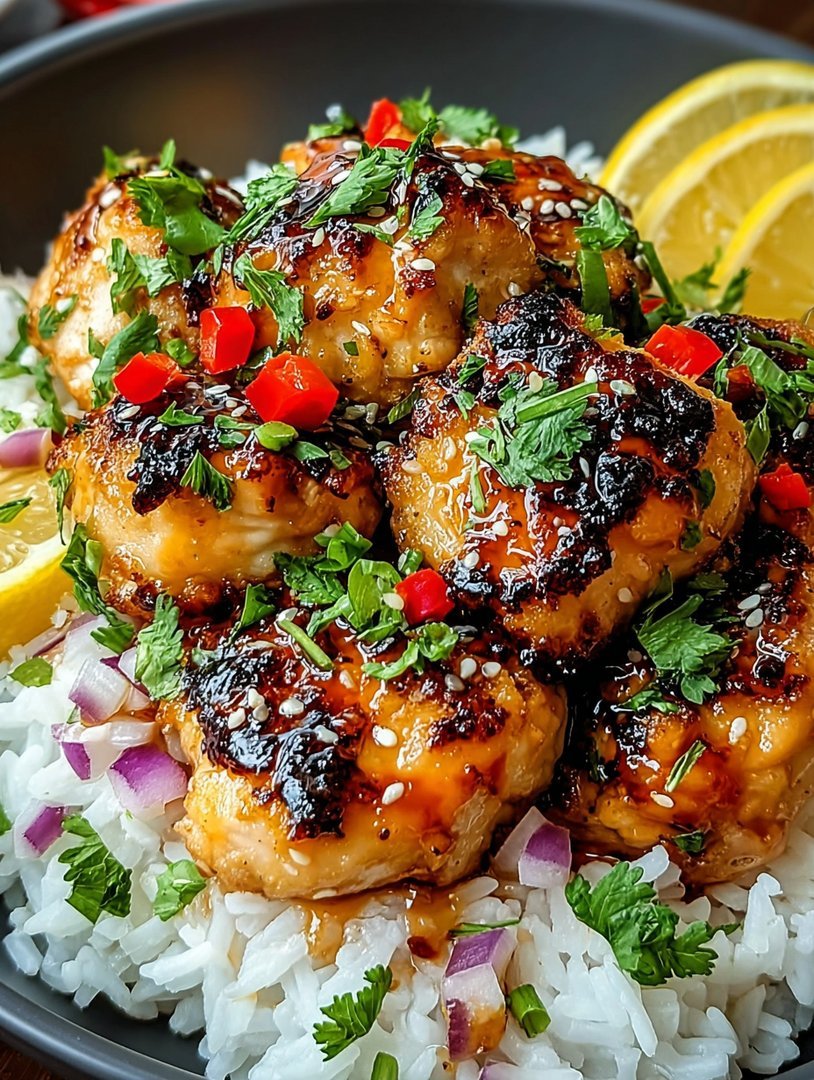
For peak efficiency, start the coconut rice first, as it benefits greatly from a long steam time after cooking. While the rice is simmering and then resting, you can sear the chicken and prepare the vibrant pineapple glaze, ensuring the entire meal finishes simultaneously and piping hot.
Add Your Touch
Swap the chicken thighs for cubed beef sirloin or turkey cutlets for a different protein spin. For an extra umami boost, stir in a teaspoon of vegetarian oyster sauce substitute to the glaze. You could also garnish with toasted macadamia nuts or a generous sprinkle of fresh cilantro for color and texture.
Storing & Reheating
Store leftovers of this Hawaiian Chicken with Coconut Rice separately in airtight containers in the refrigerator for up to three days. Reheat the chicken gently on the stovetop to maintain the glaze texture, and sprinkle a tablespoon of water on the rice before microwaving to restore its delightful moisture and fluffiness.
Chef’s Expert Tips for the Best Results
- Always use full-fat coconut milk for the rice; the reduced-fat varieties result in a less creamy, inferior texture, impacting the overall richness of the dish.
- Ensure your skillet is hot when searing the chicken; this guarantees a golden-brown crust, locking in juices and adding crucial depth of flavor to the sauce base.
- If you prefer a spicier flavor profile, add a pinch of dried red pepper flakes directly into the sauce along with the cornstarch slurry for balanced heat distribution.
Frequently Asked Questions About Hawaiian Chicken with Coconut Rice
How do I prevent the coconut rice from sticking to the bottom of the pot?
The key is to use the lowest possible heat setting once the mixture starts boiling, combined with the tight-fitting lid, allowing it to steam gently without scorching the delicate coconut solids at the bottom.
Can I prepare the chicken marinade ahead of time?
Yes, you can certainly marinate the chicken for up to 12 hours in the refrigerator. This allows the robust tropical flavors to deeply penetrate the meat, resulting in an even more flavorful final product.
What fresh vegetables pair well with this island-style meal?
Broccoli florets, sugar snap peas, or sliced carrots are excellent additions. Add them alongside the bell peppers when sautéing to ensure they soften slightly while retaining a delightful, satisfying crunch.
I served thisHawaiian Chicken with Coconut Riceat a casual gathering last summer, and my guests actually requested the recipe before they even finished their plates—that’s when you know you’ve hit culinary gold.
This dish truly embodies the spirit of aloha: welcoming, warm, and deeply satisfying. Whether you are battling a mid-week cooking rut or simply longing for a taste of the tropics, this recipe delivers maximum flavor with minimal fuss. Go ahead, put on your favorite breezy shirt, turn up the ukulele music, and let your kitchen transport you to the shores of paradise tonight. This incredible sweet and savory chicken served alongside fragrant coconut rice will quickly become a favorite family recipe, I promise.
Enjoy the process, enjoy the vibrant flavors, and most importantly, enjoy your effortless culinary vacation!
*
(End of Article)
Conclusion for Hawaiian Chicken with Coconut Rice
This vibrant dish proves that a flavor vacation is always within deliciously easy reach. The marriage of sticky, savory tropical glazed chicken and the subtly sweet, comforting coconut-infused rice delivers a truly transportive culinary escape. We discovered that using rich chicken thighs guarantees maximum succulence, and rigorously rinsing the rice is key to achieving that desirable fluffy texture. Whether you are battling a mundane Tuesday evening or hosting a vibrant backyard gathering, this reliable recipe for Hawaiian Chicken with Coconut Rice offers an irresistible balance of tangy, sweet, and savory notes that quickly transports your taste buds straight to the beach. Go ahead, book your flight—via your very own kitchen!
Print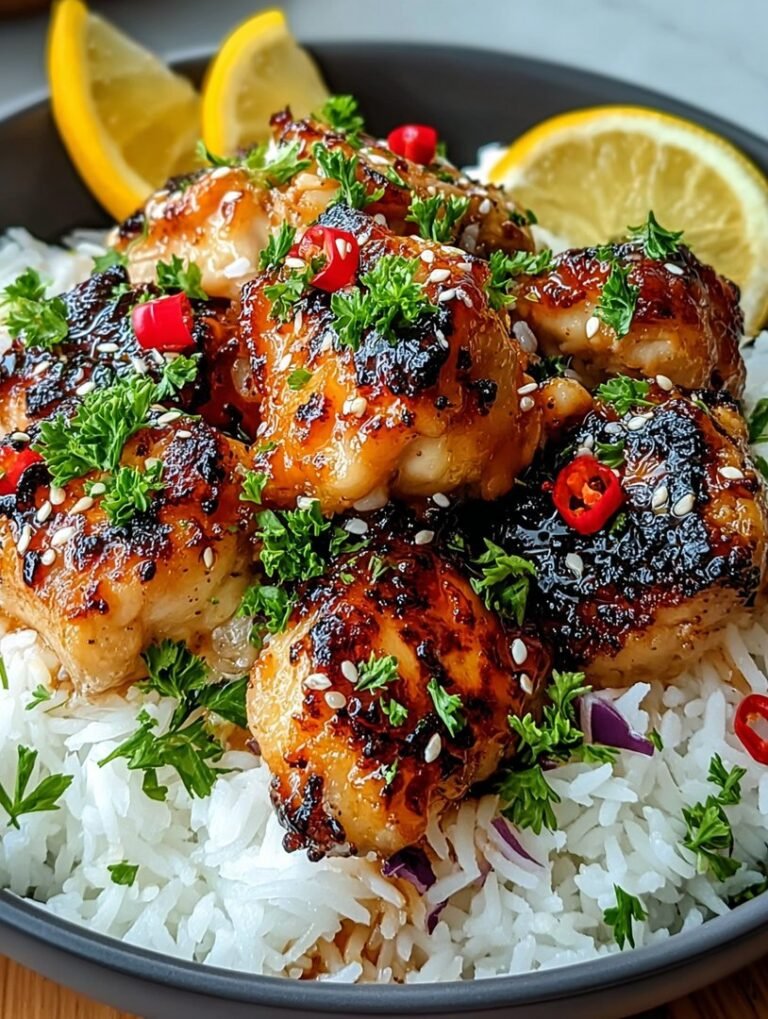
Hawaiian Chicken with Coconut Rice
Experience the tropics! Juicy chicken glazed in savory soy-ginger meets creamy, aromatic jasmine coconut rice. This quick 2-step weeknight meal is ready in 30 minutes.
- Total Time: 35 minutes
- Yield: 4 servings 1x
Ingredients
- 1.5 lbs boneless, skinless chicken thighs
- 1 (13.5 oz) can full-fat coconut milk
- 1 cup uncooked long-grain jasmine rice
- 1 cup fresh or canned pineapple chunks
- 1/4 cup low-sodium soy sauce
- 1/4 cup packed light brown sugar
- 1 tablespoon minced fresh ginger
- 1 tablespoon olive oil
Instructions
- Step 1: Prepare the Coconut Rice by combining the jasmine rice, coconut milk, 1/2 cup water, and 1/2 teaspoon salt in a medium saucepan. Bring the mixture to a boil, then immediately reduce heat to low, cover, and simmer for 15-18 minutes until the liquid is absorbed. Remove from heat and let stand, covered, for 5 minutes.
- Step 2: While the rice cooks, cut the chicken thighs into 1-inch pieces and season lightly with salt and pepper. In a small bowl, whisk together the soy sauce, brown sugar, and minced ginger to create the Hawaiian glaze.
- Step 3: Heat the olive oil in a large skillet or wok over medium-high heat. Add the chicken pieces and sear for 5-7 minutes until browned on all sides.
- Step 4: Pour the prepared glaze mixture over the chicken, stirring thoroughly to coat. Bring the mixture to a simmer, then add the pineapple chunks. Cook for 5-8 minutes, stirring occasionally, until the sauce reduces and thickens into a sticky glaze and the chicken is fully cooked (internal temperature of 165°F).
- Step 5: Fluff the finished coconut rice with a fork. Spoon the warm coconut rice onto serving plates and top generously with the Hawaiian glazed chicken and pineapple mixture.
Notes
- Keep leftovers fresh for up to 3 days by storing the coconut rice and glazed chicken in separate, airtight containers in the refrigerator.
- To keep the coconut rice moist when reheating, add a tablespoon of water or a splash of coconut milk, cover the dish, and microwave in short 60-second bursts.
- Brighten the rich flavors by adding a sprinkle of toasted shredded coconut and finely chopped cilantro or green onions right before serving.
- To ensure a perfect sticky texture for the Hawaiian glaze, verify that the sauce comes to a rapid simmer after adding the brown sugar mixture, allowing it to reduce completely and stick to the chicken.
- Prep Time: 15 minutes
- Cook Time: 20 minutes
- Method: Stovetop
- Cuisine: American
FAQs
Why are chicken thighs recommended over chicken breasts for Hawaiian Chicken with Coconut Rice?
Chicken thighs are the secret weapon for this tropical masterpiece. Unlike breast meat, thighs retain moisture beautifully, even when baked or simmered extensively in the vibrant glaze. We want that succulent, fall-apart texture that soaks up all the tangy pineapple and savory umami flavors. If you absolutely must use chicken breasts, ensure you don’t overcook them; browning them quickly and then reducing the cooking time in the oven prevents them from drying out. But trust us, for the richest flavor profile and the most tender bite in this recipe, stick to boneless, skinless chicken thighs for island-style poultry perfection.
How do I achieve perfectly fluffy Hawaiian Chicken with Coconut Rice?
Achieving fluffy, aromatic Hawaiian Chicken with Coconut Rice relies heavily on the rice preparation. The trick is balancing the liquid ratio—use a precise mix of water and full-fat coconut milk (not the light version!). Rinse the rice thoroughly until the water runs clear to remove excess starch, which prevents the final product from becoming gummy. Bring the liquids to a boil, stir only once, then immediately reduce the heat to the lowest setting, cover the pot tightly, and do not peek for 15 minutes. This crucial steaming method ensures that every grain is infused with creamy coconut goodness, providing the perfect sweet counterpoint to the savory, glazed chicken.
Can I prepare the tropical marinade ahead of time to save cooking hours?
Absolutely! Preparing the tropical marinade in advance is a fantastic time-saver for busy weeknights. You can easily whisk together the pineapple juice, brown sugar, soy sauce alternative (like coconut aminos), fresh garlic, and ginger up to 48 hours before you plan to cook. Pour this intensely flavorful mixture over the chicken pieces in a sealed bag or container and let it luxuriate in the refrigerator. Marinating the chicken allows the deep, sweet, and savory notes to fully penetrate the meat, resulting in an even more intense tropical glazed chicken dish when you finally bake or sear it for dinner.
What substitutions can I make if I don’t have pineapple juice for the tropical glaze?
If you need viable alternatives for the main ingredients, you have excellent options. If pineapple juice isn’t available, orange juice mixed with a splash of apple cider vinegar can effectively mimic the necessary acidity and sweetness in the tropical glaze. For the soy sauce, if you are seeking a gluten-free or soy-free alternative, coconut aminos work perfectly, offering a slightly milder, sweeter umami punch. Ensure you prioritize using fresh ginger and garlic, as powdered versions simply cannot replicate the vibrant freshness needed to truly elevate this sweet and savory chicken dinner to authentic island standards.






Leave a Comment