
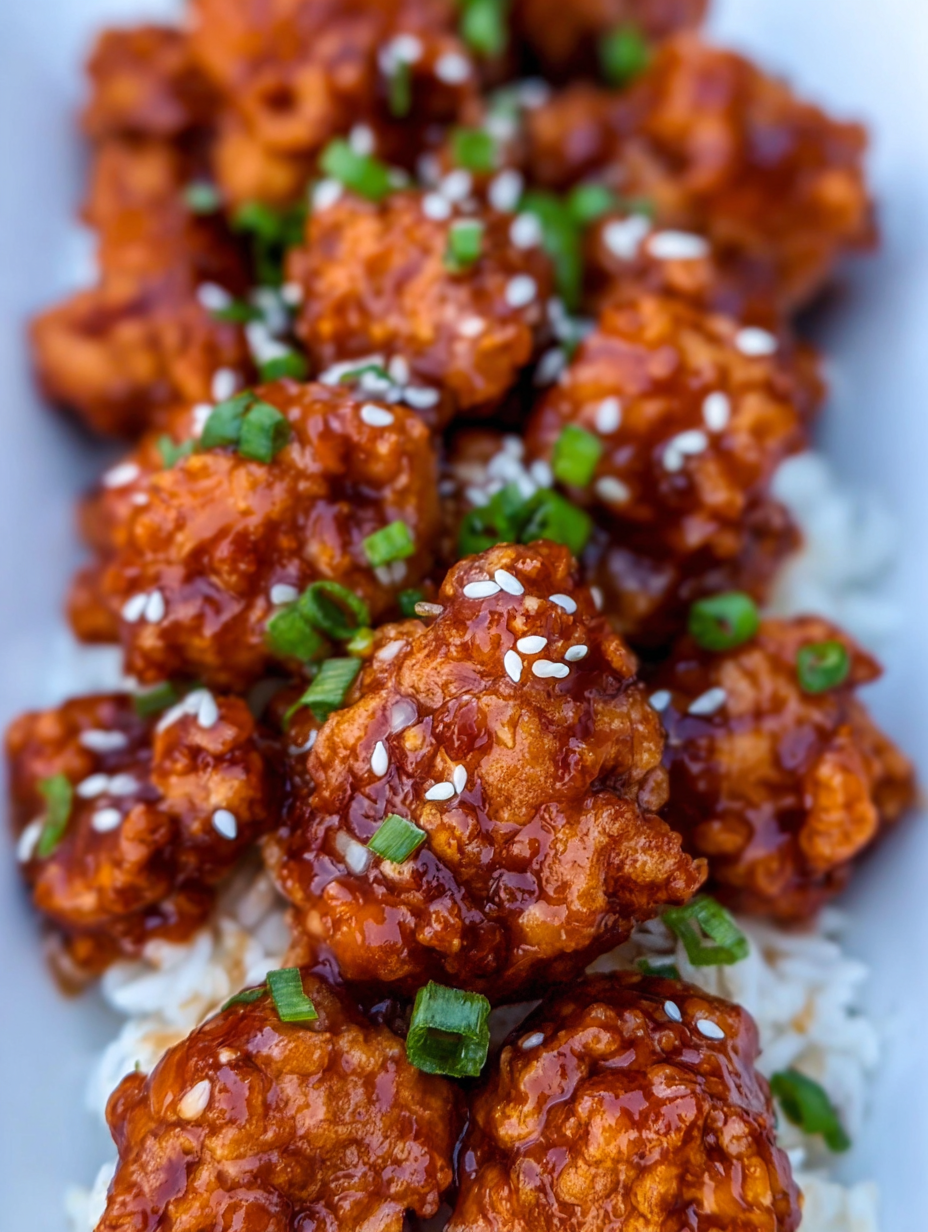
Korean Fried Chicken, a symphony of crispy, savory, and subtly sweet flavors, will dance on your taste buds, creating an unforgettable culinary experience. It is not just food; it’s a joyous adventure for your palate.
Imagine sinking your teeth into the perfectly crunchy exterior, yielding to tender, juicy chicken drenched in a vibrant, sticky sauce. This dish, a global sensation, is ideal for sharing with friends, family movie nights, or simply when you crave an explosion of flavor.
Here are a few reasons why you absolutely *need* to try this Korean Fried Chicken recipe:
- Achieve that iconic crispy texture without the fuss, using a simple double-fry method perfect for home cooks.
- The sweet and savory sauce is a flavor bomb, striking the perfect balance that will keep you coming back for more.
- Impress your friends and family with a dish that looks as good as it tastes, boasting a beautiful glazed finish.
- Customize the spice level to your liking, making it a versatile dish for everyone from the heat-averse to the chili-obsessed.
Ingredients for Korean Fried Chicken
Here’s what you’ll need to make this delicious dish:
The full ingredients list, including measurements, is provided in the recipe card directly below.
How to Make Korean Fried Chicken
Follow these simple steps to prepare this delicious dish:
Step 1: Prepare the Chicken
Pat the chicken pieces dry with paper towels. This helps the coating adhere better. In a bowl, whisk together the flour, cornstarch, baking powder, salt, pepper, and garlic powder. In another bowl, whisk the egg and milk.
Step 2: Coat the Chicken
Dip each piece of chicken into the egg mixture, then dredge it thoroughly in the flour mixture, ensuring it’s fully coated.
Step 3: First Fry
Heat vegetable oil in a large, deep pot or fryer to 325°F (160°C). Fry the chicken in batches for about 8-10 minutes, until lightly golden. Do not overcrowd the pot. Remove the chicken and place it on a wire rack to drain.
Step 4: Second Fry
Increase the oil temperature to 375°F (190°C). Fry the chicken again for another 3-5 minutes, until it’s deeply golden and crispy. Remove and drain on a wire rack.
Step 5: Make the Sauce
While the chicken is frying, prepare the sauce. In a saucepan, combine the soy sauce, apple cider vinegar, honey, gochujang, minced garlic, and grated ginger. Bring to a simmer over medium heat, stirring constantly, until the sauce thickens slightly, about 5-7 minutes.
Step 6: Toss and Serve
In a large bowl, toss the fried chicken with the Korean sauce until evenly coated. Garnish with sesame seeds and serve immediately. This **Korean Fried Chicken** is best enjoyed hot and fresh!
The Secret to Extra Crispy Korean Fried Chicken (H2 heading)
Achieving that signature crunch isn’t just about the double fry (although that’s *super* important!). It’s about a combination of factors that work together to create the perfect bite. Think of it like conducting a culinary orchestra – every instrument (or ingredient!) needs to play its part perfectly.
The Double Fry Technique Explained (H3 heading)
The double fry isn’t just a fancy chef term; it’s the key to unlocking ultimate crispiness. The first fry, at a lower temperature, cooks the chicken through and sets the coating. The second fry, at a higher temperature, crisps the exterior to golden-brown perfection. It’s like giving the chicken a tanning session – but instead of harmful UV rays, it’s all about delicious, crispy goodness.
The Importance of Cornstarch (H3 heading)
Don’t underestimate the power of cornstarch! Adding it to your flour mixture is like adding a secret weapon to your arsenal. Cornstarch absorbs moisture, which helps create a lighter and crispier coating. It’s the difference between a soggy, sad piece of chicken and a gloriously crunchy masterpiece. Trust me, you want the masterpiece.
Patting the Chicken Dry (H3 heading)
This might seem like a small step, but it’s crucial. Excess moisture is the enemy of crispiness. By patting the chicken dry with paper towels before coating it, you’re ensuring that the flour mixture adheres properly and doesn’t turn into a soggy mess. Think of it as prepping your canvas before painting – you need a clean, dry surface to start with.
Variations and Serving Suggestions for Korean Fried Chicken (H2 heading)
**Korean Fried Chicken** is delicious on its own, but it’s also incredibly versatile. Here are some ideas to take your culinary adventure to the next level:
Spice It Up! (H3 heading)
If you like it hot, add more gochujang to the sauce or sprinkle some chili flakes over the finished chicken. You could even use a spicier gochujang variety for an extra kick. Just be warned, you might need a glass of milk (or five!).
Make It Gluten-Free (H3 heading)
Swap the all-purpose flour for a gluten-free blend. Ensure it contains xanthan gum to help bind the ingredients. Also, double-check that your soy sauce is gluten-free (tamari is a good option).
Serving Suggestions (H3 heading)
Serve your **Korean Fried Chicken** with steamed rice, kimchi, and pickled radishes for a complete Korean feast. You can also serve it with a side of coleslaw or a simple salad for a lighter meal. For a fun twist, try serving it in lettuce wraps with a dollop of sriracha mayo.
Common Mistakes to Avoid When Making Korean Fried Chicken (H2 heading)
Even the most seasoned cooks can make mistakes. Here are some common pitfalls to avoid when making **Korean Fried Chicken**:
Overcrowding the Pot (H3 heading)
This is a cardinal sin of frying. Overcrowding the pot lowers the oil temperature, which results in soggy chicken. Fry the chicken in batches, ensuring there’s enough space between each piece.
Not Using a Thermometer (H3 heading)
Guessing the oil temperature is a recipe for disaster. A deep-fry thermometer is your best friend when it comes to achieving perfectly crispy chicken. Invest in one and thank me later.
Skimping on the Sauce (H3 heading)
The sauce is what makes **Korean Fried Chicken** so irresistible. Don’t be afraid to be generous with it! Make sure every piece of chicken is thoroughly coated in that sticky, delicious glaze.
Why You Should Make Korean Fried Chicken Tonight (H2 heading)
Seriously, what are you waiting for? This **Korean Fried Chicken** recipe is a guaranteed crowd-pleaser. It’s easy to make, incredibly flavorful, and perfect for any occasion. Whether you’re hosting a party, having a cozy night in, or simply craving something delicious, this recipe is sure to satisfy.
So, ditch the takeout menu and get in the kitchen! Your taste buds will thank you. And who knows, you might just become the **Korean Fried Chicken** champion of your friend group. Just remember to share! (Or maybe not. We won’t judge.)
Perfecting the Cooking Process
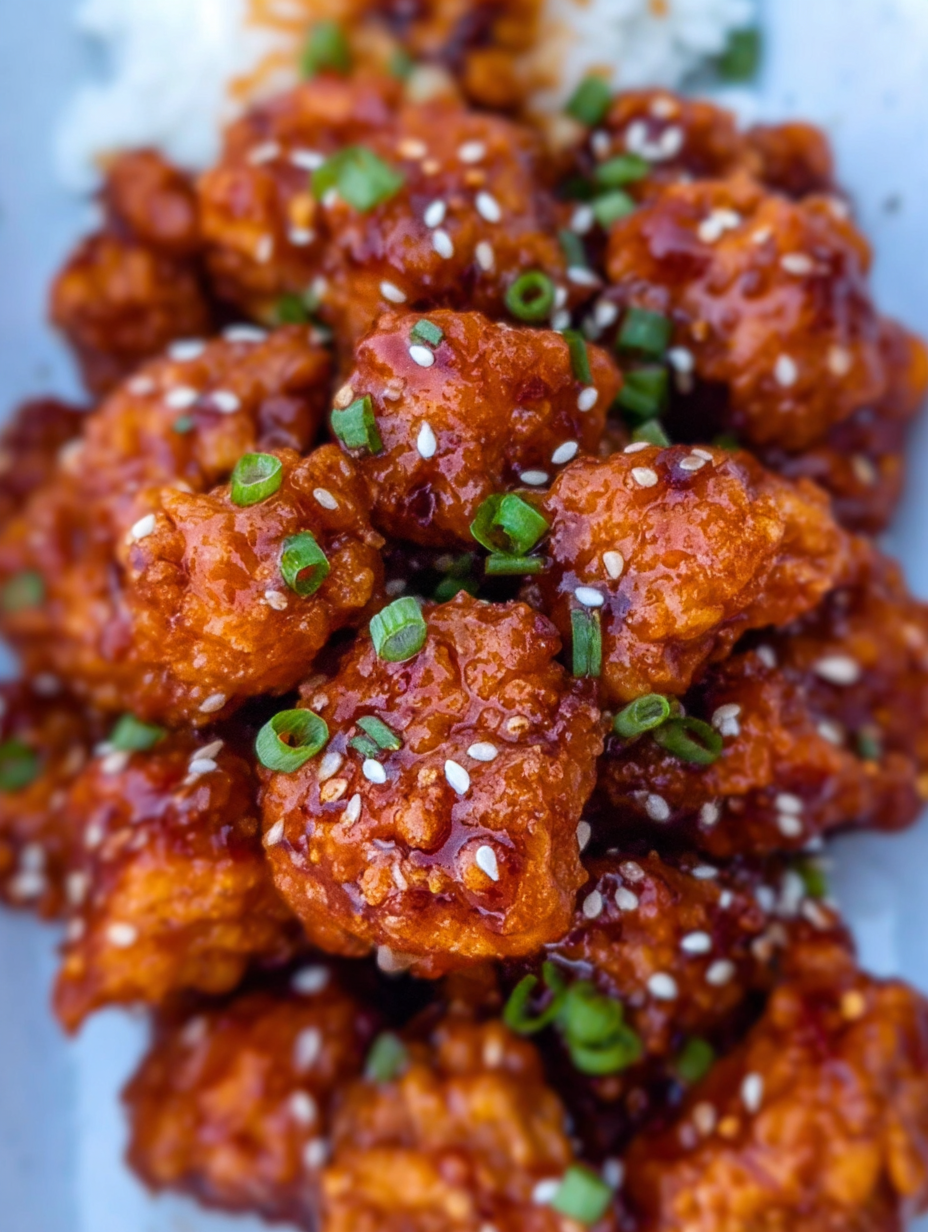
To ensure the crispiest, most succulent Korean Fried Chicken, start by preparing the sauce while the chicken marinates. This allows the flavors to meld beautifully. Then, double-fry the chicken for that iconic crunch.
Add Your Touch
Feel free to play around with the heat level! If you like it fiery, add more gochujang to the sauce. For a sweeter touch, try a drizzle of honey or maple syrup. Sesame seeds add a nutty finish.
Storing & Reheating
Store leftover Korean Fried Chicken in an airtight container in the refrigerator for up to 3 days. Reheat in the oven or air fryer for optimal crispness. Microwaving is an option, but expect a softer crust.
Here are some insider tips to make your Korean Fried Chicken truly spectacular:
- For maximum crispiness, ensure the oil is at the correct temperature (around 350°F or 175°C) before the second fry. A thermometer is your best friend here!
- Don’t overcrowd the fryer! Cook the chicken in batches to maintain the oil temperature and prevent soggy results. Patience is key to achieving that perfect golden-brown crust.
- After the second fry, let the chicken rest on a wire rack. This allows excess oil to drip off, ensuring a super crispy, non-greasy finish that’ll have you coming back for more.
(Personal anecdote formated as paragraph subheading (very important! don’t write any title for this paragraph))
I remember the first time I made this for my friends; it disappeared in minutes! They were practically licking the plate clean. Now, it’s a staple for every get-together.
Let’s talk Korean Fried Chicken. Forget everything you thought you knew about fried chicken because this isn’t your grandma’s clucking good recipe (unless your grandma happens to be Korean, then carry on!). We’re talking a level of crispiness that shatters expectations, a symphony of sweet, savory, and spicy flavors that dance on your tongue, and an overall experience so addictive, you might want to consider wearing a bib.
This isn’t just food; it’s an adventure. A crispy, juicy, flavor-packed adventure that will have you questioning all your previous culinary choices. So, ditch the sad, soggy takeout and get ready to embark on a journey to Korean Fried Chicken perfection. Trust me; your taste buds will thank you. It is delicious fried chicken but elevated!
Why Korean Fried Chicken is Different
Korean Fried Chicken, or KFC (not *that* KFC, although, perhaps they should take notes), stands apart from its American cousin for a few key reasons. First, the batter. We’re talking thin, almost translucent, which contributes to that signature shattering crisp. Forget the thick, heavy breading; we want light and airy. The focus is on the chicken itself, allowing its natural flavors to shine through.
Second, the double-frying technique. Yes, you read that right. We fry this bird *twice*. This seemingly simple step is the secret to achieving maximum crispiness and rendering out excess fat. It’s like giving the chicken a spa day, but instead of cucumber slices, it gets a hot oil bath (twice!).
Finally, the sauce. Oh, the sauce! This isn’t your average gravy or ranch dressing. We’re talking a complex blend of sweet, savory, spicy, and tangy flavors that will tantalize your taste buds. From gochujang-based sauces to soy-garlic glazes, the possibilities are endless. It’s the culinary equivalent of a fireworks display in your mouth.
The Anatomy of Awesome: Key Ingredients
Before we dive into the nitty-gritty of the recipe, let’s take a closer look at the star players. These aren’t your run-of-the-mill pantry staples; they’re the secret weapons that will elevate your Korean Fried Chicken game to legendary status.
- **Chicken:** Obviously! We recommend using bone-in, skin-on chicken pieces for maximum flavor and juiciness. Thighs and drumsticks are particularly great choices, as they tend to stay moist during the frying process.
- **Potato Starch:** This is the key to achieving that ultra-crispy crust. Potato starch creates a light, airy batter that clings beautifully to the chicken. Cornstarch can be used as a substitute, but potato starch provides a superior level of crispiness.
- **Gochujang:** This fermented Korean chili paste is the backbone of many Korean sauces. It adds a complex blend of sweet, spicy, and umami flavors that are simply irresistible. You can find it at most Asian grocery stores or online.
- **Gochugaru:** Korean chili flakes, gochugaru, bring the heat without being overpowering. They also add a vibrant red color to the sauce.
- **Soy Sauce:** A staple in Asian cuisine, soy sauce adds a savory, umami depth to the sauce.
- **Garlic & Ginger:** These aromatic powerhouses are essential for adding flavor and complexity to both the marinade and the sauce.
- **Rice Vinegar:** This adds a touch of tanginess that balances out the sweetness and spice of the sauce.
- **Sesame Oil:** A drizzle of sesame oil adds a nutty aroma and flavor that is characteristic of Korean cuisine.
Marinating Magic: Flavor Infusion
The marinade is where the magic begins. It’s your chance to infuse the chicken with flavor from the inside out, ensuring that every bite is a culinary masterpiece. This isn’t just about tenderizing the chicken; it’s about building a flavor foundation that will complement the sauce perfectly.
Think of the marinade as a spa treatment for your chicken. It’s a chance for the flavors to penetrate deep into the meat, creating a symphony of deliciousness that will tantalize your taste buds. Don’t skimp on the marinating time; the longer the chicken marinates, the more flavorful it will be.
A simple marinade might include soy sauce, garlic, ginger, black pepper, and a touch of sugar. Feel free to experiment with other flavors, such as rice vinegar, sesame oil, or even a splash of fruit juice for added sweetness. The key is to create a balance of flavors that complements the chicken without overpowering it.
The Double Fry: The Secret to Crispiness
Alright, buckle up, because we’re about to embark on the most crucial step in the Korean Fried Chicken process: the double fry. This isn’t just about frying the chicken twice; it’s about understanding the science behind the crispiness.
The first fry cooks the chicken through and creates a base layer of crispiness. The second fry, done at a slightly higher temperature, is what achieves that signature shattering crunch. It’s like giving the chicken a final, intense blast of heat that transforms it into a crispy, golden-brown masterpiece.
Make sure your oil is at the right temperature (around 325°F for the first fry and 350°F for the second fry). Use a deep-fry thermometer to monitor the temperature and adjust as needed. Overcrowding the fryer will lower the oil temperature, resulting in soggy chicken. Fry in batches to maintain the heat and ensure even cooking.
Sauce Boss: Flavor Explosion
Now for the pièce de résistance: the sauce. This is where you can really let your creativity shine and create a flavor profile that is uniquely your own. From sweet and spicy to savory and garlicky, the possibilities are endless.
The base of most Korean Fried Chicken sauces is gochujang, the fermented Korean chili paste that adds a complex blend of sweet, spicy, and umami flavors. From there, you can add other ingredients such as soy sauce, rice vinegar, honey, sesame oil, garlic, and ginger to create a sauce that is perfectly balanced and bursting with flavor.
Don’t be afraid to experiment with different combinations of ingredients to find your perfect sauce. Taste as you go and adjust the flavors to your liking. If you like it spicier, add more gochujang or gochugaru. If you prefer a sweeter sauce, add more honey or maple syrup. The key is to create a sauce that is both delicious and complements the crispy chicken perfectly.
Serving Suggestions: Beyond the Bird
Korean Fried Chicken is delicious on its own, but it’s even better when paired with complementary sides. Here are a few of our favorite serving suggestions:
- **Pickled Radish:** This crunchy, tangy side dish cuts through the richness of the fried chicken and adds a refreshing contrast of flavors.
- **Kimchi:** The fermented cabbage that is also a staple of Korean cuisine.
- **Steamed Rice:** A simple bowl of steamed rice is the perfect blank canvas for soaking up all that delicious sauce.
- **Coleslaw:** A creamy coleslaw adds a touch of sweetness and acidity that complements the spicy chicken perfectly.
- **French Fries:** Because who doesn’t love french fries with fried chicken?
- **Spicy Cucumber Salad:** a refreshing salad is the perfect counterpoint.
Troubleshooting Tips
Even the most experienced cooks encounter hiccups. Here’s how to handle common Korean Fried Chicken challenges:
- **Chicken not crispy enough:** Ensure the oil temperature is correct, and avoid overcrowding the fryer. Double-frying is non-negotiable.
- **Sauce too spicy:** Add more honey or sugar to balance the heat.
- **Sauce too thick:** Thin it out with a little water or chicken broth.
- **Chicken cooked unevenly:** Ensure the chicken pieces are of similar size, and flip them frequently during frying.
- **Batter falling off:** Make sure the chicken is dry before coating it with the batter.
Healthier Alternatives
Craving Korean Fried Chicken but want to lighten things up? Here are a few healthier alternatives:
- **Air Fryer Korean Fried Chicken:** Air frying can significantly reduce the amount of oil used while still achieving a crispy result.
- **Baked Korean Fried Chicken:** Baking is another great way to reduce the fat content. Coat the chicken in panko breadcrumbs for extra crispiness.
- **Grilled Korean Chicken:** Grilling is a healthy and delicious way to enjoy the flavors of Korean Fried Chicken. Marinate the chicken and grill it over medium heat.
Korean Fried Chicken: A Culinary Adventure Awaits
So there you have it: everything you need to know to create incredible Korean Fried Chicken at home. It might seem intimidating at first, but trust me, the effort is well worth it. The combination of crispy chicken, flavorful sauce, and satisfying crunch is simply irresistible.
Get ready to impress your friends and family with your newfound culinary skills. Korean Fried Chicken is the perfect dish for any occasion, from casual weeknight dinners to festive gatherings.
(Personal anecdote formated as paragraph subheading (very important! don’t write any title for this paragraph))
The best part about this recipe? Seeing the faces of people as they try it for the first time. The “OMG this is amazing” look is my reward.
Conclusion for Korean Fried Chicken :
Korean Fried Chicken is more than just a meal; it’s a culinary adventure. The double-frying technique delivers that unmatched crispy exterior and juicy interior, while the sweet, savory, and spicy sauce keeps you coming back for more. Whether you like it mild or fiery hot, this recipe is easily adaptable to your taste. So, gather your ingredients, unleash your inner chef, and prepare for a delightful experience that will leave your taste buds singing. Get ready to impress your friends and family with this amazing dish!
Print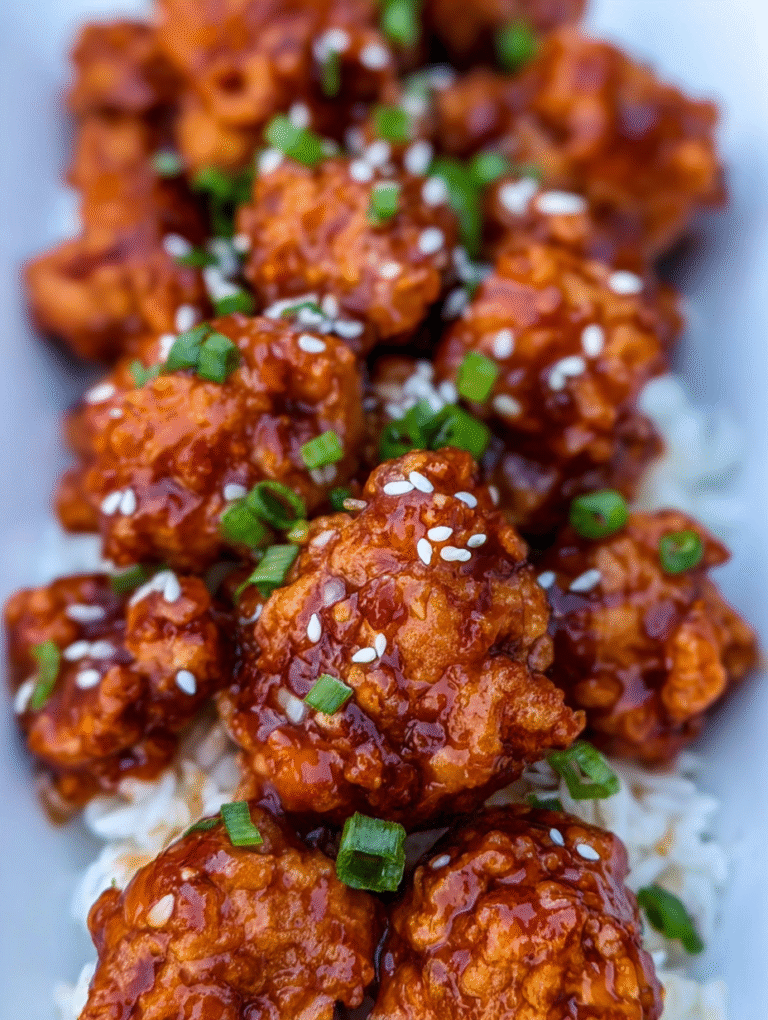
Korean Fried Chicken
Delicious korean fried chicken recipe with detailed instructions and nutritional information.
- Total Time: 35 minutes
- Yield: 4 servings
Ingredients
- Chicken wings or drumsticks, 2 lbs
- Potato starch, 1 cup
- All-purpose flour, 1/2 cup
- Baking powder, 1 tbsp
- Salt, 1 tsp
- Black pepper, 1/2 tsp
- Gochujang (Korean chili paste), 2 tbsp
- Honey, 2 tbsp
Instructions
- Step 1: Wash and thoroughly dry the chicken pieces. Season with salt and pepper.
- Step 2: In a large bowl, combine potato starch, all-purpose flour, and baking powder. Dredge the chicken pieces in the mixture, ensuring they are fully coated.
- Step 3: Heat oil in a deep fryer or large pot to 325°F (160°C). Fry the chicken in batches for about 10-12 minutes, until cooked through but not yet deeply golden. Remove and let rest on a wire rack.
- Step 4: Increase the oil temperature to 375°F (190°C). Fry the chicken again for 2-3 minutes, until golden brown and crispy. Remove and drain excess oil.
- Step 5: In a separate bowl, mix gochujang and honey until well combined. Toss the fried chicken in the sauce to coat evenly.
Notes
- Store leftover Korean fried chicken in an airtight container in the refrigerator for up to 3 days.
- For best results, reheat in a preheated oven at 350°F (175°C) for 10-15 minutes to re-crisp the chicken.
- Serve your Korean fried chicken immediately with pickled radish or a side of coleslaw to balance the richness.
- For extra crispy chicken, ensure the oil temperature recovers fully between batches during the second fry.
- Prep Time: 15 minutes
- Cook Time: 20 minutes
- Method: Stovetop
- Cuisine: American
FAQs :
What makes Korean Fried Chicken so special?
Okay, picture this: you bite into a piece of chicken, and it’s like a symphony of textures. The outside? An impossibly crispy armor that shatters with the slightest pressure. The inside? Juicy, tender chicken that practically melts in your mouth. That’s the magic of Korean Fried Chicken! It’s not just fried chicken; it’s an experience. The double-frying method is the secret. It creates that signature crunch that everyone raves about, unlike any other fried chicken out there. And don’t even get me started on the sauce – sweet, savory, and a little bit spicy!
Can I make Korean Fried Chicken spicier?
Absolutely, spice enthusiast! You’re speaking my language. If you’re looking to crank up the heat on your batch of Korean Fried Chicken, there are several ways to do it. You can add a pinch of cayenne pepper or a dash of red pepper flakes directly into your dry batter mix. For an extra kick, consider incorporating a spoonful of gochujang, that lovely Korean chili paste, into your sauce. Taste as you go, though! A little gochujang can go a long way. You can also garnish with finely chopped fresh chili peppers for an added visual and flavorful punch.
What’s the best dipping sauce for this crispy fried chicken?
While the sauce that coats the Korean Fried Chicken is undeniably delicious on its own, having extra dipping options is always a good idea! For a cooling contrast, try a creamy sriracha mayo. The richness of the mayo combined with the spicy sriracha complements the sweet and savory chicken beautifully. Or, if you prefer something tangy, a simple honey mustard sauce provides a delightful balance. Soy-ginger sauce is another excellent choice for adding a salty and umami dimension. Don’t be afraid to experiment and find your personal favorite.
How do I store leftover Korean Fried Chicken?
Let’s be honest, leftovers of Korean Fried Chicken are a rare treasure. But if you happen to have some remaining, proper storage is key to maintaining its deliciousness. The best way to store it is in an airtight container in the refrigerator. To help retain some of the crispiness, place a paper towel at the bottom of the container to absorb excess moisture. It’s best to consume it within 2-3 days. When reheating, using an oven or air fryer is better than a microwave to re-crisp the chicken.





Leave a Comment