
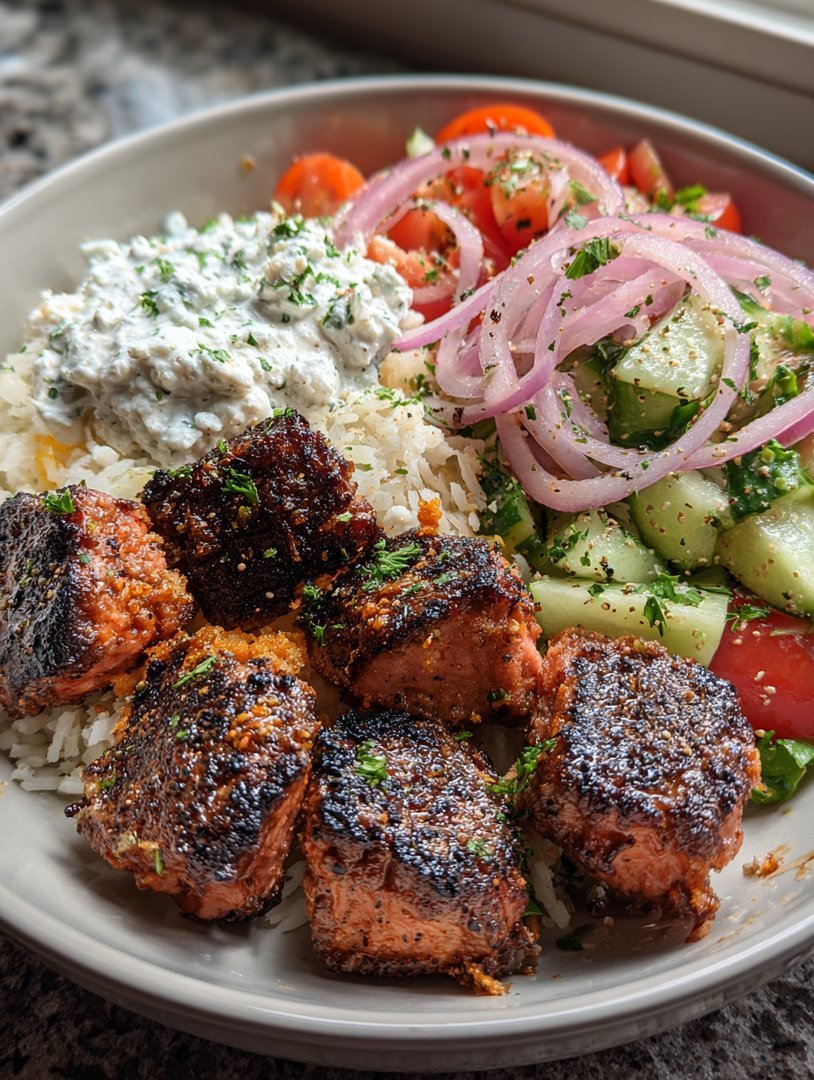
Remember those nights when you crave something incredibly fresh, yet deeply satisfying? Forget ordering takeout; we are going straight to the sunny coasts of flavor, where every bite tastes like a holiday.
These incredibleMediterranean Steak Bowlsdeliver big, layered flavors and are so easy to assemble, they redefine weeknight dinner success and become an instant family favorite.
- Prep this entire feast in under 30 minutes, relying on simple pantry staples and vibrant fresh produce for incredibly effortless dining.
- Experience the robust flavor profile of perfectly seared beef complemented by a tangy lemon-herb vinaigrette and creamy, homemade tzatziki.
- Enjoy a rainbow of colors in every spoonful, making these bowls as beautiful to look at as they are intensely delightful to eat.
- Customize the base with quinoa, bulgur, or fluffy rice, ensuring this dynamic recipe fits perfectly into any dietary preference or craving.
Why Mediterranean Steak Bowls Are Your New Weeknight Hero
Let’s be honest, we have all stared into the refrigerator abyss at 6:30 PM, wondering if science could somehow transform that lone bell pepper into a three-course meal. The idea of cooking feels overwhelming, yet the idea of another sad bowl of cereal is unbearable. That is where the mightyMediterranean Steak Bowlsmarch in, capes billowing, ready to save dinner.
This recipe isn’t just about slapping some ingredients into a bowl; it is about creating a balanced, texture-rich experience that transports you directly to the Aegean. My own journey with these bowls began years ago, during a deeply embarrassing attempt to “eat clean” that involved consuming unseasoned chicken breast and brown rice that tasted suspiciously like cardboard. I realized that sustainable healthy eating requires flavor, excitement, and a little bit of drama. These bowls provide all three.
The beauty of this dish lies in its modular assembly. You handle each component separately, ensuring optimal flavor and texture before uniting them in a harmonious bowl structure. You get the crunch of fresh cucumbers, the sweetness of sun-ripened tomatoes, the zest of a homemade lemon dressing, and the satisfying richness of perfectly cooked steak. It’s essentially a culinary choose-your-own-adventure story where the ending is always delicious. Plus, it makes phenomenal leftovers, meaning you might actually look forward to lunch the next day, which is a rare miracle in adult life.
The Magic of Marinating Your Beef
The secret weapon of any great beef bowl is the marinade. We aren’t just wetting the meat; we are injecting flavor molecules directly into the muscle fibers, turning a humble cut of sirloin or flank steak into a tender, aromatic masterpiece. Think of the marinade as a spa day for your steak. It needs time to relax and absorb all the beautiful scents.
Our quick marinade focuses on bright, acidic flavors, primarily utilizing fresh lemon juice and balsamic vinegar. These acids begin the tenderizing process while olive oil carries the essential flavor agents—oregano, garlic powder, and a pinch of dried thyme. Ideally, marinate the beef for at least 30 minutes, or up to four hours if you are planning ahead. This crucial step guarantees that every slice of beef in your Mediterranean Steak Bowls bursts with authentic, herbaceous flavor.
Ingredients for Mediterranean Steak Bowls
Here’s what you’ll need to make this delicious dish:
- Steak (Sirloin or Flank)Choose a relatively thin cut of beef; sirloin tip or flank steak works well as they absorb marinade quickly and slice beautifully against the grain.
- Olive OilUse extra virgin olive oil for both the marinade and the vinaigrette, providing a deep, fruity base note characteristic of Mediterranean cuisine.
- Lemon Juice and Balsamic VinegarThe acid balance is essential for tenderizing the meat and adding that bright, unmistakable Mediterranean tang to the dressing.
- Dried Oregano and Garlic PowderThese essential herbs create the savory, herbaceous backbone of both the steak marinade and the final sauce assembly.
- Quinoa or RiceThe base of the bowl; cook according to package directions, ensuring it is light and fluffy to soak up the juices.
- Cherry Tomatoes and CucumberDice these components small; they provide necessary crunch and hydration, balancing the richer elements of the bowl.
- Red OnionSlice thinly and briefly rinse under cold water if you prefer a less sharp bite; this adds essential pungency and color.
- Greek Yogurt (Plain)Essential for the homemade tzatziki-style sauce, providing a creamy, tangy counterpart to the richly flavored steak.
The full ingredients list, including measurements, is provided in the recipe card directly below.
How to Make Mediterranean Steak Bowls
Follow these simple steps to prepare this delicious dish:
Step 1: Marinate and Prep the Steak
In a large bowl, whisk together the olive oil, lemon juice, balsamic vinegar, garlic powder, oregano, salt, and black pepper. Slice the flank or sirloin steak against the grain into thin strips. Add the steak to the marinade, toss thoroughly to coat, and refrigerate for a minimum of 30 minutes, or longer for deeper flavor development.
Step 2: Cook the Grains and Assemble Veggies
While the steak marinates, prepare your base grain (quinoa or rice) according to package instructions. While the grain cooks, dice your cucumber, tomato, and red onion. Combine these vegetables in a separate bowl and set aside. Ensure all ingredients are ready for rapid assembly later.
Step 3: Prepare the Quick Tzatziki-Style Sauce
In a small bowl, combine the plain Greek yogurt, a squeeze of fresh lemon juice, grated cucumber (or finely minced fresh dill, if preferred), and a pinch of salt. Stir until smooth. If the sauce is too thick, thin it slightly with a teaspoon of water or additional lemon juice. Refrigerate until serving.
Step 4: Sear the Marinated Beef
Remove the steak from the marinade and pat the strips dry with paper towels—this is essential for achieving a proper sear. Heat one tablespoon of olive oil in a large skillet over medium-high heat until shimmering. Add the steak strips without overcrowding the pan (cook in batches if necessary). Sear for 2 to 3 minutes per side until beautifully browned and cooked to your desired internal temperature. Remove the steak from the heat and allow it to rest for five minutes.
Step 5: Build the Mediterranean Steak Bowls
Start with a base layer of the cooked quinoa or rice in four separate bowls. Arrange the diced tomato and cucumber mixture on one side and the sliced red onion next to it. Place the rested, sliced steak proudly in the center of the bowl. Spoon a dollop of the creamy tzatziki-style sauce over the beef, adding a final drizzle of quality olive oil and a light sprinkle of dried oregano over the entire assembly.
Transfer to plates and drizzle with sauce for the perfect finishing touch.
Flavor Boosters and Ingredient Swaps for Variety
One of the true joys of creating bowls is the endless ability to customize. If you find yourself making theseMediterranean Steak Bowlsweekly (and trust me, you probably will), you will need some fresh ideas to keep things exciting. For those who enjoy a sharper flavor, toss in some high-quality Kalamata olives or pickled banana peppers. These additions introduce a punch of brine that contrasts wonderfully with the mild yogurt sauce and rich beef.
If you prefer a different protein, flank steak is easily swapped for chicken breast or lamb shoulder. For chicken, ensure you slice the breasts thinly and increase the marinating time slightly to lock in moisture and flavor. Sear the chicken strips until they reach an internal temperature of 165°F (74°C). For lamb, a slightly longer marinating period is recommended to break down the fibers and enhance tenderness.
Consider adding roasted vegetables for texture contrast. Roasting chickpeas with paprika and cumin creates crispy, satisfying additions that boost the fiber content. Alternatively, roasting small broccoli florets or bell peppers until slightly charred adds a smoky depth that elevates the entire dish from simply fresh to deeply satisfying. Always remember to maintain a balance of textures—something creamy, something crunchy, and something substantial is the key to bowl perfection.
Troubleshooting Common Bowl Assembly Errors
While assembling a bowl might seem straightforward, there are a few common pitfalls that can turn your culinary masterpiece into a soggy situation. Firstly, moisture control is crucial. If you add the dressing or sauce too early, especially if you are prepping these for lunch the next day, the entire base layer (the quinoa or rice) will become unpleasantly saturated. Always pack the sauce separately and add it just before serving.
Another frequent issue is improperly rested steak. When you pull the beef directly off the heat and slice it immediately, all those flavorful internal juices rush out, leaving your meat dry and the bottom of your bowl wet. Resting the steak allows the muscle fibers to relax and reabsorb those juices, ensuring a tender, moist result. Five minutes on a cutting board is a non-negotiable step.
Finally, ensure your grain base is completely cooled before layering on the fresh vegetables. Adding warm grains to fresh cucumbers and tomatoes causes them to sweat and rapidly wilt, losing their desirable crunch. If time permits, spread your cooked quinoa on a sheet pan for five minutes to allow the steam to dissipate quickly before building your Mediterranean Steak Bowls.
Frequently Asked Questions About Meal Prep
Can I prepare the components of these Mediterranean Steak Bowls ahead of time?
Absolutely. You can cook the grain base, chop all the vegetables, and prepare the tzatziki sauce up to three days in advance. Store the sauce and the fresh vegetables in airtight containers. Cook the steak fresh for the best quality, or sear it the night before and store it separately.
What is the best way to reheat the steak?
To avoid tough, dry steak, it is best not to reheat it in the microwave. Instead, place the steak slices in a skillet with a teaspoon of broth or water, cover, and warm gently over low heat for 2–3 minutes until heated through. Alternatively, enjoy the beef cold or at room temperature in your lunch bowl.
How long will the assembled bowls last in the refrigerator?
If you keep the sauce separate, the bowls are safe to eat for up to four days. Once you add the sauce, the quality of the fresh vegetables (especially the cucumber) starts to decline after about 24 hours due to the moisture content.
What alternatives can I use instead of quinoa or rice?
Bulgur wheat, couscous, or even farro work brilliantly as the base for these vibrant beef bowls. For a low-carb option, swap the grain for a generous bed of mixed greens or cauliflower rice, which beautifully absorbs the dressing flavors.
Storage and Serving Suggestions
If you are serious about meal prepping, these bowls are your best friend. For optimal flavor and texture preservation, use meal prep containers that feature separate compartments. This allows you to keep the wet ingredients (sauce, dressing) and dry ingredients (steak, veggies) isolated until lunchtime.
For serving, consider garnishing the final bowl with a sprinkle of toasted pine nuts for added crunch and richness. A dusting of paprika or sumac can enhance the visual appeal and add a slight depth of flavor complexity. Pair these colorful, satisfying Mediterranean Steak Bowls with a glass of sparkling water infused with fresh mint and lemon for a light, refreshing, and truly complete meal experience.
The Myth of Boring Weeknight Dinners, Busted
I used to believe that fast dinners had to be bland. A sad piece of grilled protein and some slightly depressed rice—we’ve all been there, sacrificing flavor for speed. Then I discovered the brilliance of bowl meals, particularly when they transport you straight to the sun-drenched shores of Greece and Italy. These aren’t just meals; they are vacation-in-a-dish experiences, perfectly exemplified by these vibrant and incredibly satisfyingMediterranean Steak Bowls.
This recipe is my personal weeknight superhero. It combines tender, perfectly seasoned beef with bright, fresh vegetables, a creamy yogurt dressing, and fluffy rice. The balance of textures and flavors ensures every bite is a little celebration, meaning you can finally ditch the boring routine without spending hours chained to the stove. If you need a meal that delivers maximum flavor with minimal fuss, you’ve hit the jackpot. This comprehensive guide will ensure your cooking experience is as breezy as a summer evening in Mykonos, culminating in a dish so good, your family might actually applaud.
The secret to these bowls lies in the marinade. We use simple ingredients—lemon, olive oil, and potent dried oregano—to transform humble flank or sirloin steak into something truly memorable. The tanginess of the lemon helps to break down the beef fibers slightly, ensuring the steak stays incredibly tender while cooking quickly, making it the ideal protein component for these delightful bowls.
Gathering Your Sun-Drenched Ingredients
Success in creating delicious Mediterranean flavors starts with quality ingredients. Ensure your vegetables are crisp and your herbs are fragrant. We separate the list into three main sections: the beef marinade, the fresh bowl components, and the essential creamy dressing.
For the Marinated Beef (Serves 4)
- 1.5 lbs sirloin steak or flank steak, sliced thinly against the grain
- 1/4 cup extra virgin olive oil
- 2 tablespoons fresh lemon juice
- 2 teaspoons dried oregano
- 1 teaspoon dried garlic powder
- 1/2 teaspoon salt
- 1/4 teaspoon black pepper
The Fresh Bowl Components
- 4 cups cooked brown rice or quinoa
- 1 large cucumber, diced
- 2 cups cherry tomatoes, halved
- 1/2 small red onion, thinly sliced
- 1 cup Kalamata olives, pitted and halved
- 1/2 cup crumbled feta-style cheese or dairy-free alternative
- Fresh parsley, chopped, for garnish
The Creamy Lemon-Herb Dressing
- 1 cup plain yogurt or preferred dairy-free alternative
- 1 tablespoon lemon juice
- 1 clove garlic, minced
- 1 tablespoon fresh dill, chopped
- Salt and pepper to taste
The Step-by-Step Guide to Flavor Town
We are going to tackle this recipe in three logical phases: marinating, preparing the raw components, and searing the steak. This active sequence guarantees maximum flavor and prevents any unnecessary kitchen chaos.
Marinating the Steak
In a medium bowl, whisk together the olive oil, lemon juice, minced garlic powder, oregano, salt, and pepper. Add the sliced steak, ensuring every piece is fully coated in the aromatic marinade. Cover the bowl and refrigerate for a minimum of 30 minutes. If you are prepping in advance, you can marinate for up to 4 hours, but avoid leaving it much longer, as the acid from the lemon juice can begin to cure the beef too much.
Preparing the Components
Cook your chosen grain base—rice, quinoa, or farro—according to the package directions. While the grain is simmering, take this time to dice the cucumber, halve the tomatoes, and thinly slice the red onion. Combine these vibrant fresh elements in a large bowl. In a small separate bowl, mix the yogurt base, fresh dill, minced fresh garlic, and a final splash of lemon juice until the dressing is silky and smooth. Taste and adjust the seasoning as necessary, maybe adding a touch more salt to truly make the dill pop.
Searing the Beef
Remove the steak from the marinade and pat the slices thoroughly dry using paper towels. This step is non-negotiable for achieving a beautiful crust! Heat a cast iron pan or heavy skillet over medium-high heat until it is smoking hot. Add a tablespoon of neutral, high-heat cooking oil. Sear the steak strips in batches for 2 to 3 minutes per side for medium-rare, or adjust the time based on your desired level of doneness. Remember, do not overcrowd the pan; cooking in batches ensures the temperature stays high enough for proper searing instead of steaming the meat.
Once cooked, remove the beef strips from the pan and let them rest on a cutting board, lightly tented with foil, for five minutes. This resting time is critical for the juices to redistribute, guaranteeing maximum tenderness and flavor in every slice. Cutting into the steak too early releases all that wonderful moisture onto the board.
Assembling the Mediterranean Steak Bowls
Now comes the fun part—creating your masterpiece. Divide the cooked, fluffy grain evenly among four serving bowls. Artfully arrange a handful of the chopped cucumber and tomato mixture, several halved olives, and a sprinkle of feta-style crumbles alongside the grains. Place the rested, sliced steak strips generously in the center of the bowl, allowing the warmth of the beef to contrast slightly with the cool vegetables. Finish each of theMediterranean Steak Bowlswith a generous drizzle of the creamy lemon-herb dressing. Garnish with fresh parsley and serve immediately. These hearty and flavorful bowls make perfect leftovers, too, provided you store the components correctly.
Perfecting the Cooking Process
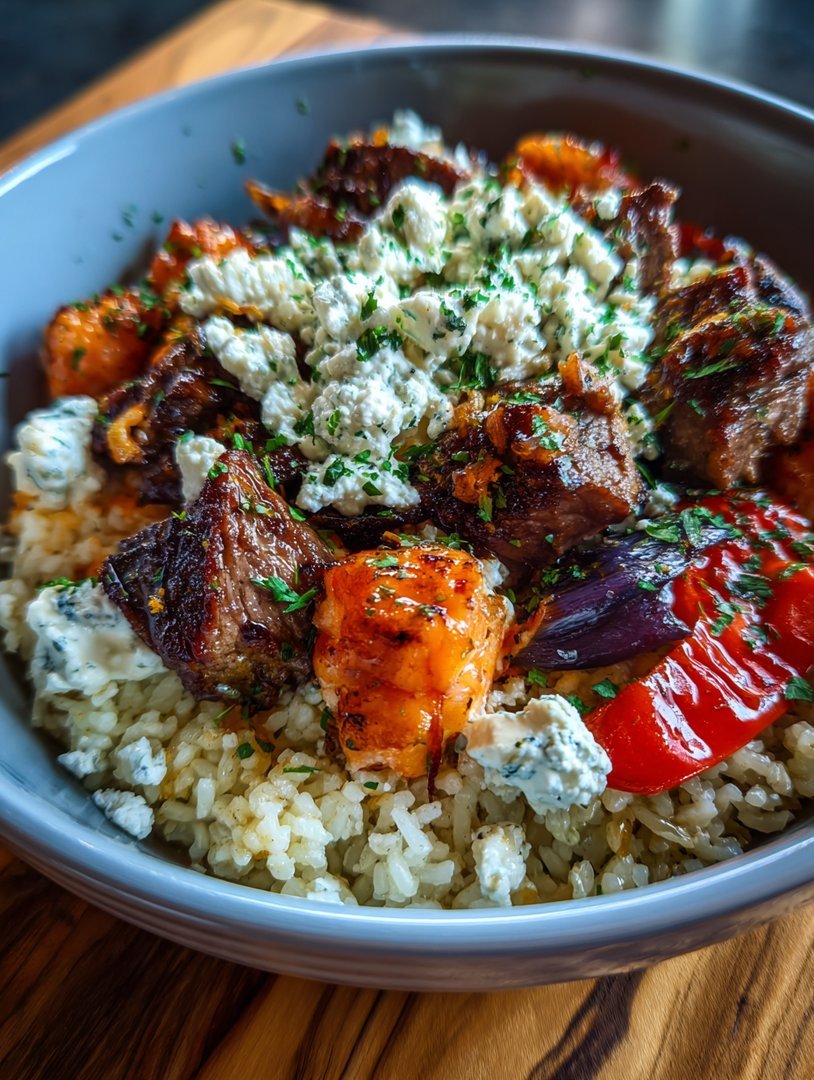
Achieve peak efficiency by starting with the steak marinade first. While the beef rests, cook your grain base and prepare the fresh vegetable components. Finally, sear the steak quickly, slice it against the grain, and immediately assemble the bowls while the meat is still warm for the best results.
Add Your Touch
Feel free to substitute the beef with grilled chicken or roasted lamb shoulder if desired. For extra crunch, add toasted pine nuts or sunflower seeds. If you prefer a bolder flavor profile, swap the rice for farro or try a sprinkle of smoked paprika in the marinade. A drizzle of quality balsamic glaze elevates the sweetness.
Storing & Reheating
Store all components separately in airtight containers. The dressing should always be kept apart to prevent the greens from wilting. Steak bowls keep well for up to four days. Reheat the steak and grains gently in a pan or microwave, then top with the fresh components and dressing just before serving.
My sister, who claims to hate cooking, absolutely mastered this recipe after a disastrous attempt where she forgot the oregano. The next time, she remembered the herbs, and the look on her face when she realized the flavor difference was priceless—pure culinary triumph.
Chef’s Insider Tips for Flavor Mastery
- Always pat the steak completely dry before searing. This crucial step ensures a beautiful, deep brown crust, preventing the meat from steaming in the pan.
- Do not slice the steak immediately after cooking; allow it to rest tented with foil for at least five minutes. Resting retains those delicious juices inside the beef.
- For maximum aromatic impact, gently crush the dried oregano between your palms before adding it to the marinade. This action releases the essential oils beautifully.
Common Questions About Mediterranean Steak Bowls
What is the best type of beef to use for steak bowls?
We highly recommend using sirloin, flank steak, or flat iron steak. These cuts are generally leaner, absorb marinades exceptionally well, and slice beautifully, making them ideal for quick-cooking bowl recipes like these hearty Mediterranean Steak Bowls.
Can I make the dressing ahead of time?
Absolutely! The lemon-herb dressing actually benefits significantly from being made several hours in advance, allowing the vibrant flavors of the dill and garlic to fully meld into the creamy base. Store it tightly covered in the refrigerator for up to three days.
How do I keep the vegetables fresh if I am meal prepping?
For meal prep, ensure all the cooked components (steak and grains) are completely cooled before assembly. Store the fresh, raw vegetables (cucumbers, tomatoes, etc.) separately in a container lined with a paper towel to absorb any excess moisture, keeping them crisp until serving.
What grain alternatives work well in these Mediterranean bowls?
While rice and quinoa are classic choices, you can achieve a fantastic texture by using hearty grains like farro, couscous, or even whole wheat orzo pasta as your base. Lentils also make a highly nutritious and flavorful foundation for the bowls.
Is there a substitute for fresh lemon juice in the marinade?
If you find yourself without fresh lemons, you can use a small amount of apple cider vinegar combined with a splash of water, though the flavor will be slightly less bright. Always aim for fresh lemon juice for the best possible Mediterranean essence.
Let’s be honest, we all have those evenings where opening the fridge feels less like a culinary adventure and more like an archaeology dig. You need something vibrant, satisfying, and fast—something that screams “I have my life together,” even if you spent the last hour arguing with your smart speaker. Enter the hero of our story: the Mediterranean Steak Bowl.
This isn’t just a steak salad disguised in a bowl; this is a flavor symphony featuring perfectly marinated beef, crisp vegetables, and a zesty dressing that will make your taste buds do a little jig. Forget boring meal prep; these bowls are the ultimate solution for healthy, delicious dining, Monday through Friday.
The Magic of the Marinade: Achieving Steak Perfection
The secret weapon in any great bowl is the flavor saturation of the protein. For our steak, we are leaning heavily into classic Greek and Italian influences—think bright citrus, pungent garlic, and earthy herbs. This marinade not only tenderizes the beef but injects it with an unbelievable zest that complements the fresh vegetables beautifully.
Selecting Your Cut and Ingredients
While you can use almost any cut, flank steak or sirloin tips absorb the marinade exceptionally well and cook quickly. We recommend aiming for thin cuts to maximize surface area contact with the flavor agents.
- 1.5 lbs Flank Steak or Sirloin Tips, sliced against the grain
- 1/4 cup Olive Oil
- Juice of 1 large Lemon
- 4 cloves Garlic, minced
- 1 tbsp Dried Oregano
- 1 tsp Dried Thyme
- 1 tsp Paprika (smoked or sweet)
- Salt and Black Pepper to taste
Combine all marinade ingredients in a resealable bag or shallow dish. Add the steak, ensuring it is thoroughly coated. Marinate for a minimum of 30 minutes, but ideally for 2 to 4 hours. Do not exceed 8 hours, as the acidity of the lemon juice can start to “cook” the meat.
Building the Best Beef Power Bowls
A true Mediterranean Steak Bowl relies on textural contrast and fresh components. You need the warm, savory steak alongside cool, crunchy vegetables and a creamy element to bring everything together. We skip heavy sauces and opt for a bright, simple dressing.
Components for the Mediterranean Steak Bowls
These components are designed for four generous servings. You can easily scale this up for meal preparation for the entire week.
The Base
- 2 cups Cooked Quinoa or Brown Rice (cooked according to package directions)
The Crunch and Color
- 1 large Cucumber, diced
- 1 cup Cherry Tomatoes, halved
- 1/2 cup Kalamata Olives, pitted and sliced
- 1/4 cup finely chopped Red Onion
- 1/2 cup Feta Cheese (or dairy-free alternative), crumbled
- Fresh Parsley, chopped, for garnish
The Zesty Lemon-Herb Dressing
This dressing is simple, requiring just a quick whisking. It provides the necessary moisture and acidity without overwhelming the other flavors.
- 1/4 cup Extra Virgin Olive Oil
- 3 tbsp fresh Lemon Juice
- 1 tsp Dried Dill
- 1 tsp Dijon Mustard
- 1 clove Garlic, finely minced
- Salt and Pepper
Whisk all dressing ingredients in a small bowl until emulsified. Taste and adjust seasoning as necessary.
Cooking the Steak and Assembly Instructions
Cooking the steak needs to be fast and hot to achieve a beautiful sear while keeping the interior tender. A cast-iron skillet or grill pan works perfectly here.
Step-by-Step Cooking and Assembly
- Cook the Steak:Heat 1 tablespoon of olive oil in your skillet over medium-high heat. Remove the steak from the marinade (discard the leftover marinade). Cook the steak slices in batches for 2–3 minutes per side until they reach your desired doneness (medium-rare is recommended for tenderness). Allow the cooked steak to rest on a cutting board for 5 minutes before slicing.
- Prepare the Bowls:Divide the cooked quinoa or rice evenly among your four serving bowls.
- Arrange the Toppings:Artfully arrange the cucumber, cherry tomatoes, olives, and red onion around the edge of the grains.
- Add Protein:Place a portion of the sliced steak prominently in the center of each bowl.
- Garnish and Dress:Sprinkle the crumbled feta and fresh parsley over the top. Drizzle 1 to 2 tablespoons of the Lemon-Herb Dressing over the entire bowl just before serving.
These vibrant and healthy steak bowls are ideal for dinner parties or simply for giving your lunch routine a serious upgrade. The combination of lean beef, healthy fats, and complex carbohydrates provides sustained energy and incredible flavor.
Tips for Perfect Meal Prepping
One of the best features of this dish is its suitability for meal prep. A little organization on Sunday evening ensures you have four days of delicious, ready-to-eat lunches waiting for you. The key is to keep the wet and dry ingredients separate until the last possible moment to prevent sogginess.
Storage Strategy for Success
To keep the bowls fresh, store them disassembled. Keep the cooked steak and grains together in one container. Store the fresh, raw vegetables (cucumber, tomatoes, olives) in a separate container, and most crucially, store the Lemon-Herb Dressing in a small, tightly sealed jar. When it’s time to eat, combine the components and dress the bowl.
For reheating, lightly warm the steak and grains (about 60 seconds in the microwave or briefly in a skillet). Add the fresh vegetables and dressing right afterward. This ensures the steak remains juicy and the vegetables stay crisp, giving you a restaurant-quality meal, even at your desk.
The key to successful meal prepping with these hearty beef bowls is component separation. You should store the warm components—the cooked steak and the quinoa or rice base—together in one airtight container. Keep the fresh, crunchy vegetables, such as the diced cucumber, tomatoes, and olives, in a completely separate container. The dressing, being the greatest threat to freshness, must be stored in its own small, lidded pot. When you are ready to enjoy your Mediterranean Steak Bowls, gently reheat the grains and steak, then add the cool vegetables and dressing immediately before serving. This prevents the vegetables from becoming wilted and keeps the texture vibrant and appealing for up to four days.
Flank steak is typically the superior choice for these quick-cooking bowls. It possesses a wonderful texture and readily accepts marinades, absorbing the lemon, oregano, and garlic beautifully. Skirt steak is a great second option, offering similar characteristics. If you prefer a leaner cut, sirloin tips also work exceptionally well, provided you do not overcook them. The most crucial technique, regardless of the cut you select, is to slice the cooked meat thinly and against the grain. This ensures every bite of your steak is tender and flavorful, balancing the rich texture of the beef against the freshness of the other bowl components.
Absolutely! The foundational flavor profile of these bowls—the lemon, herbs, fresh vegetables, and feta—is easily adapted to be plant-based. Instead of using marinated beef, you can substitute chickpeas roasted in the same marinade, or use baked cubes of halloumi or firm tofu. Lentils or large white beans also make excellent, protein-rich alternatives that complement the Mediterranean flavors wonderfully. Ensure that your chosen protein is robust enough to stand up to the zesty dressing and the other hearty ingredients in the bowl. This modification maintains the health and vitality of the recipe while catering to different dietary needs.
Authentic Mediterranean flavor hinges on brightness, freshness, and the generous use of quality olive oil. The dominant flavor notes should be tangy lemon, earthy oregano, and pungent garlic. A good recipe balances the richness of the steak with the sharp acidity of the citrus and vinegar, often mellowed by fresh herbs like parsley and dill. The presence of salty elements, such as olives and feta cheese, provides necessary contrast and depth. Achieving this balance ensures that every spoonful of these healthy steak bowls delivers that classic, sunny, and incredibly satisfying taste characteristic of the region.
Conclusion for Mediterranean Steak Bowls
The Mediterranean Steak Bowls stand out as a perfect fusion of convenience, nutrition, and intense flavor. By utilizing a simple yet potent lemon-herb marinade, you transform humble beef into a vibrant, succulent centerpiece. Coupled with nutrient-dense quinoa, crisp garden vegetables, and a zesty vinaigrette, this recipe provides a perfectly balanced meal that is far from boring. Whether you need a quick weeknight dinner solution or a reliably healthy option for meal prepping, these steak power bowls deliver taste and satisfaction every time. Embrace the freshness and enjoy a little taste of the sunny Mediterranean kitchen right at home.
Print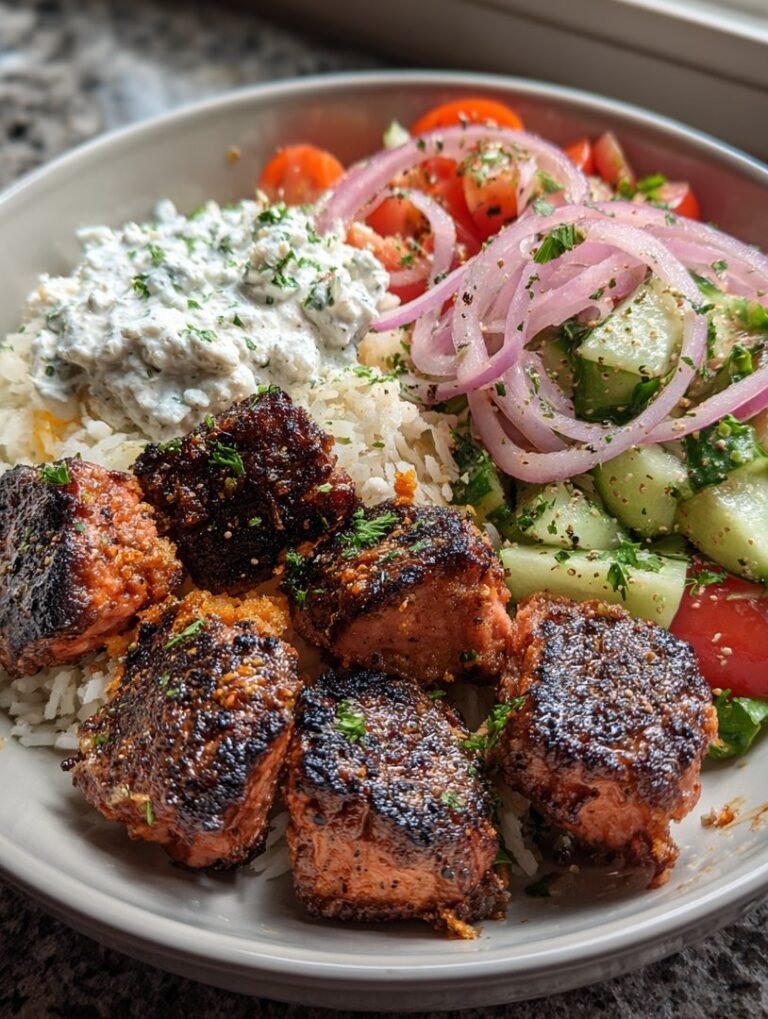
Mediterranean Steak Bowls
Savor the vibrant blend of tender, oregano-crusted flank steak and creamy feta, balanced by cool cucumber and fluffy quinoa. This easy grill-pan method yields flavor perfection.
- Total Time: 35 minutes
- Yield: 4 servings 1x
Ingredients
- 1 lb flank steak
- 1 cup uncooked quinoa
- 2 Tbsp extra virgin olive oil
- 1 large cucumber, diced
- 1/2 cup crumbled feta cheese
- 1/2 cup pre-made Tzatziki sauce
- 1 tsp dried oregano
- Juice of 1 lemon
Instructions
- Step 1: Cook the quinoa according to package directions (typically 1 cup quinoa to 2 cups water). While the quinoa cooks, pat the flank steak dry and season thoroughly on both sides with 1 Tbsp olive oil, oregano, salt, and black pepper.
- Step 2: Heat the remaining 1 Tbsp olive oil in a large skillet or grill pan over medium-high heat. Sear the seasoned steak for 4-6 minutes per side, depending on thickness, until it reaches your desired internal temperature (130°F for medium-rare). Remove steak and let rest on a cutting board for 10 minutes.
- Step 3: While the steak rests, prepare the fresh components. In a medium bowl, toss the diced cucumber (and optional additions like cherry tomatoes or red onion) with the fresh juice of 1 lemon.
- Step 4: Once the steak has rested, slice it thinly against the grain.
- Step 5: Assemble the bowls by dividing the cooked quinoa between serving bowls. Top the quinoa with the lemon-dressed vegetables and arrange the sliced steak over the vegetables. Finish each bowl with a generous amount of crumbled feta cheese and a large dollop of Tzatziki sauce.
Notes
- Store leftover steak and quinoa separately from the fresh components (cucumber, feta, and Tzatziki) to maintain texture and prevent sogginess.
- To avoid drying out the sliced flank steak, reheat it gently in a skillet over low heat or briefly in the microwave before assembling a fresh bowl.
- Elevate the flavor profile by serving the bowls alongside warm pita bread or adding a few chopped Kalamata olives to the cucumber mix.
- Guarantee maximum tenderness by letting the seared flank steak rest the full 10 minutes before slicing it thinly against the grain.
- Prep Time: 15 minutes
- Cook Time: 20 minutes
- Method: Stovetop
- Cuisine: American






Leave a Comment