
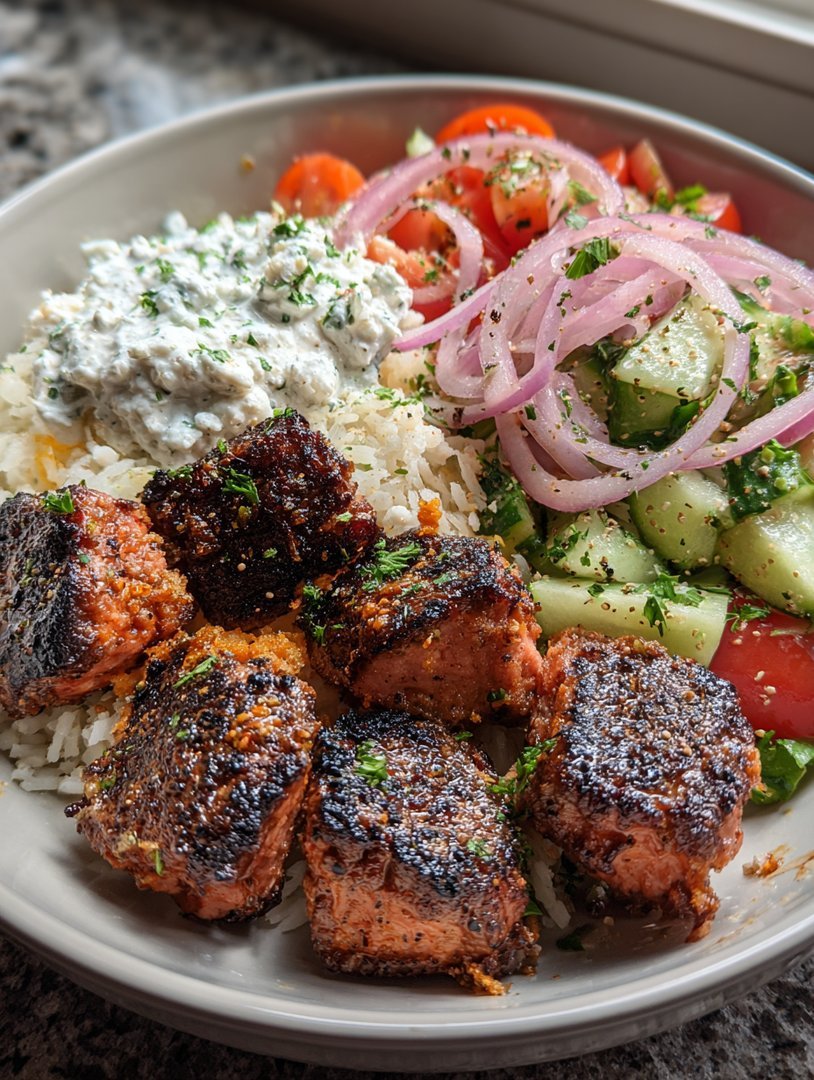
When the craving hits for something vibrant and satisfying, forget soggy takeout menus and sad desk lunches. Imagine sinking your teeth into tender, perfectly seasoned steak mingling with bright herbs, crunchy vegetables, and creamy homemade tzatziki. That’s the sheer culinary magic woven into these magnificentMediterranean Steak Bowls, ready to rescue your weeknight dinner rotation.
This recipe is your one-way ticket to flavor paradise, offering an exciting escape from the mundane without the expense or stress. Forget complicated techniques; we are bringing the dazzling, sun-drenched flavors of the Aegean straight to your kitchen table tonight.
- The bold marinade guarantees flavor-packed beef that remains unbelievably juicy, making every single bite robust and memorable.
- These colorful bowls are inherently versatile, allowing you to easily swap components based on what fresh, seasonal ingredients you have available.
- Preparation is incredibly straightforward, perfect for busy weeknights when you need restaurant quality without the hour-long cooking marathon.
- Combining fresh salad elements with warm, tender grains creates a textural masterpiece that is deeply satisfying and visually appealing.
The Unexpected Origin Story of My Favorite Weeknight Meal
I stumbled upon the concept of these vibrant bowls during a particularly disastrous attempt at reorganizing my pantry. I was staring down a jar of roasted red peppers and a rather forlorn-looking cucumber, thinking, “There has to be more to life than chicken again.” My goal that day wasn’t culinary innovation; it was just survival and avoiding another trip to the grocery store.
Initially, I considered a basic steak salad, but salads often leave me wanting more substance—like the main character energy they usually lack. I realized what I truly needed was a structure, a culinary framework to hold all that dazzling Mediterranean brightness while providing the grounding comfort of a perfectly cooked piece of meat. Thus, the concept for what would become these amazingMediterranean Steak Bowlswas born. It became my go-to dish because it solved the perpetual dilemma of wanting something healthy that tasted wildly indulgent.
This meal doesn’t just taste good; it feels like an accomplishment. When you present this bright, colorful bowl—stacked high with marinated beef, vibrant tomatoes, cool cucumbers, and a drizzle of tangy dressing—you realize you’ve created a masterpiece worthy of a five-star review, all while wearing sweatpants. It’s truly a win-win scenario, proving that weeknight cooking doesn’t have to be boring or overly stressful.
Building the Perfect Flavor Foundation: Marinating the Steak
The secret weapon in achieving truly exceptional flavor lies squarely in the marinade. We aren’t just giving the steak a quick rinse in olive oil; we are bathing it in a symphony of herbs and acidity that breaks down the fibers just enough to ensure maximum tenderness and taste saturation. Choosing the right cut of beef is also crucial. Flank steak or sirloin works beautifully here because they absorb the marinade quickly and slice easily against the grain for those desirable, tender ribbons.
A good Mediterranean marinade relies heavily on lemon juice—the acid tenderizes the meat—coupled with garlic, oregano, and a generous splash of olive oil. Give your steak at least two hours in this glorious bath, but if you can manage four to six, or even overnight, the reward is immensely better. Think of the marinade as the warm-up act; the longer they practice, the better the show will be. If you are short on time, even 30 minutes is better than none, but prepare for slightly less intense flavor penetration.
The Anatomy of a Delicious Bowl
What makes a “bowl” so superior to a regular plate? It’s all about layering and contrast. We want cool components next to warm, soft textures beside crunchy ones, and earthy flavors balanced by brightness. Think of your bowl as a canvas for edible architecture. The base usually consists of fluffy couscous or quinoa, providing an absorbent foundation for all the delicious juices.
The next layer should be the fresh, crunch factor: diced cucumber, juicy cherry tomatoes, and perhaps some thinly sliced red onion. The main event is the steak, sliced thinly and positioned artfully. Finally, the finishing touches are what elevate this from a good meal to a great one—a sprinkle of fresh parsley and a generous dollop of homemade tzatziki sauce. The cool, creamy tzatziki is non-negotiable here; its refreshing tang cuts perfectly through the richness of the beef.
Ingredients for Mediterranean Steak Bowls
Here’s what you’ll need to make this delicious dish:
- Sirloin or Flank Steak (about 1.5 lbs)Choose a cut with good marbling for tenderness, slicing it against the grain before serving.
- Extra Virgin Olive OilUsed generously for both the steak marinade and creating the simple lemon-herb dressing.
- Fresh Lemon JuiceProvides essential acidity for tenderizing the beef and adding a bright, characteristic flavor to the overall dish.
- Garlic and Dried OreganoThese aromatic staples are key to building the savory, earthy profile of the Mediterranean seasoning.
- Cooked Grain Base (Quinoa or Couscous)Provides the hearty, absorbent foundation for the bowl, choose your favorite whole grain option.
- Cherry Tomatoes and English CucumberDice these vegetables finely to offer bursts of sweetness and refreshing crunch against the warm steak.
- Feta Cheese (Optional but Recommended)Adds a salty, tangy creaminess; ensure it is crumbled finely for easy distribution throughout the bowl.
- Fresh Herbs (Parsley and Mint)Used as a colorful garnish and to provide a final layer of freshness right before serving.
- Greek Yogurt (For Tzatziki)Use plain, full-fat Greek yogurt to create a thick, creamy, and satisfying base for the cooling sauce.
- Dill and Grated Cucumber (For Tzatziki)Essential components for the traditional, refreshing tzatziki sauce that pairs perfectly with the seasoned beef.
The full ingredients list, including measurements, is provided in the recipe card directly below.
Mastering the Mediterranean Steak Cooking Technique
The success of these steak bowls depends entirely on how you treat that beef. We want a beautiful sear on the outside and a tender, medium-rare to medium interior. This requires a scorching hot surface and quick cooking times. Whether you use a grill pan, an outdoor grill, or a heavy cast-iron skillet, the principle remains the same: heat, sear, rest, slice.
One of the most common mistakes people make is slicing the steak immediately after cooking. If you do this, all those wonderful, flavorful juices will spill out onto your cutting board, leaving you with dry meat. Always let the steak rest for at least 10 minutes, loosely tented with foil. This crucial resting period allows the muscle fibers to relax and redistribute the moisture internally, guaranteeing maximum juiciness for your bowl.
Achieving Optimal Flavor and Juiciness
Another tip for boosting flavor involves the leftover marinade. If you didn’t use the marinade for tenderizing, you can transform a portion of it into a quick, vibrant pan sauce. After searing the steak, deglaze the hot pan with a splash of broth or water and a squeeze of lemon juice, scraping up those browned bits. This flavorful liquid can be drizzled over the cooked meat right before serving, adding an extra layer of complexity that store-bought dressings simply cannot replicate. This small step truly distinguishes an ordinary meal from extraordinaryMediterranean Steak Bowls.
This dish is infinitely adaptable, which is another reason I adore it. If you prefer a richer flavor, swap the sirloin for boneless lamb leg slices. If you want to integrate more vegetables, try roasting some zucchini or bell peppers alongside the steak. The fundamental structure—marinated protein, grains, fresh components, and creamy dressing—remains the backbone, allowing you endless creativity within the Mediterranean framework.
How to Make Mediterranean Steak Bowls
Follow these simple steps to prepare this delicious dish:
Step 1: Marinate the Steak and Prepare the Tzatziki
Combine olive oil, lemon juice, minced garlic, oregano, salt, and pepper in a shallow dish. Add the sirloin steak, ensuring it is fully coated. Cover and refrigerate for at least two hours or up to eight hours. While the steak marinades, prepare the tzatziki by combining Greek yogurt, grated and squeezed cucumber (removing excess water is crucial), chopped dill, a little lemon juice, and salt. Refrigerate the sauce until needed.
Step 2: Cook the Grains and Chop Vegetables
Prepare your chosen grain base, such as quinoa or couscous, according to the package directions. While the grains cook, dice the tomatoes, cucumber, and red onion. Combine these fresh vegetables in a bowl with a drizzle of olive oil, a pinch of salt, and fresh parsley. Set aside this fresh salad component.
Step 3: Sear the Steak to Perfection
Remove the steak from the marinade and pat it dry slightly. Preheat a heavy cast-iron skillet or grill pan over medium-high heat until smoking hot. Sear the steak for 4 to 6 minutes per side for medium-rare (internal temperature of 135°F or 57°C). Use tongs to turn the steak, ensuring a deep brown crust develops on both sides.
Step 4: Rest and Slice the Beef
Immediately transfer the hot steak to a cutting board. Cover it loosely with aluminum foil and let it rest undisturbed for a mandatory 10 minutes. Resting is essential for retaining internal moisture. After resting, use a sharp knife to slice the steak thinly against the grain. Cutting against the grain ensures the resulting slices are extremely tender.
Step 5: Assemble the Mediterranean Steak Bowls
Begin the assembly by placing a generous portion of the cooked grains into the bottom of each serving bowl. Next, arrange the fresh vegetable mixture alongside the grains. Place the thinly sliced steak ribbons beautifully over the vegetables and grains. Finish the bowl by sprinkling feta cheese and fresh mint over the top for maximum flavor and visual appeal.
Transfer to plates and drizzle generously with the chilled, creamy tzatziki sauce for the perfect finishing touch. Serve immediately while the steak is still warm.
The Accidental Discovery of Sunshine on a Plate
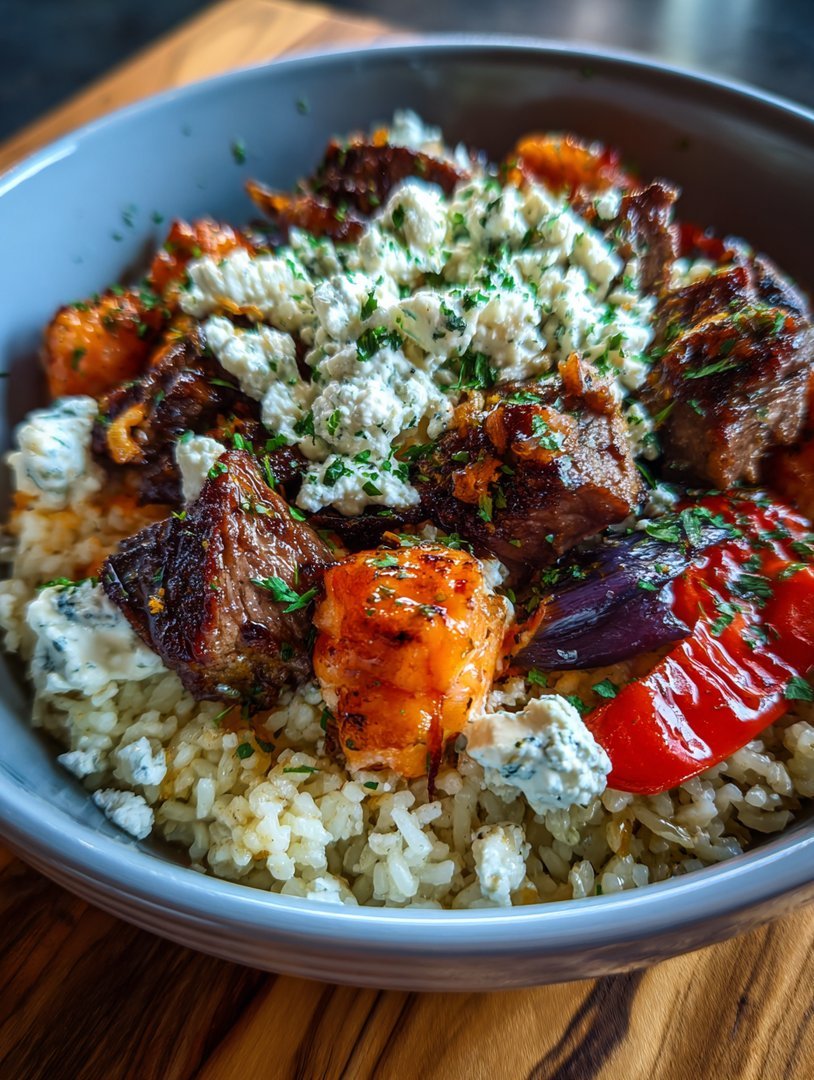
I was trying to use up leftover flank steak and some sad-looking cucumbers when necessity birthed this masterpiece. These Mediterranean Steak Bowls felt less like a recipe and more like sunshine miraculously transported directly onto my dinner table, completely unexpected but utterly delightful.
Perfecting the Cooking Process
For peak efficiency, start by marinating the beef. While the steak rests, chop all your vegetables. Sear the steak hot and fast, then let it rest while assembling the vibrant bases for the bowls. This sequence ensures everything is fresh and perfectly timed.
Add Your Touch
If you prefer turkey, substitute seasoned ground turkey for the steak. Swap out the cucumber for zucchini in the salad, or add a pinch of smoked paprika to the marinade for a smoky depth. A swirl of tangy red grape vinegar always brightens the finish.
Storing & Reheating
Store the components separately—especially the dressing and crispy vegetables—to prevent sogginess. The cooked steak and grains last three days in the fridge. Reheat the steak gently, perhaps in a skillet, and then assemble the cold components just before serving.
*
Why Your Dinner Needs a Vacation
Let’s be honest, we all get stuck in the culinary doldrums. You know the drill: the same chicken breast, the same steamed broccoli, the same existential crisis at 6 PM. I created these flavorful Mediterranean Steak Bowls as an emergency escape route. They are a one-way ticket to coastal bliss, requiring only about 30 minutes of effort but delivering flavor that screams “I spent all day perfecting this.” They are the culinary antidote to Tuesday afternoon.
These nourishing bowls aren’t just easy; they are the definition of balance. They combine savory, high-quality protein with crisp, fresh vegetables and a vibrant, acidic dressing that cuts through any heavy feeling. If you are looking for a satisfying, nutrient-dense meal that completely revolutionizes your weeknight routine, prepare to fall deeply in love with these Mediterranean-inspired meals. Forget ordering takeout; you can achieve this level of flavor faster than the delivery driver can find your street.
The Magic of the Marinade: Preparing the Beef
The secret weapon in any great steak bowl is the marinade. We aren’t doing anything fancy here, just unlocking maximum flavor potential. For these fantastic beef bowls, we use a simple combination of olive oil, fresh lemon juice, dried oregano, and a touch of smoked paprika. This blend doesn’t just tenderize; it infuses the beef with that classic, earthy, sun-kissed flavor profile synonymous with the region. I highly recommend using flank steak or sirloin tips for this recipe. Slice the meat thinly against the grain before marinating—it guarantees tenderness.
Once marinated (30 minutes minimum, but two hours is ideal), sear the steak quickly in a hot skillet. We want a beautiful crust and a medium-rare interior. Don’t overcrowd the pan; cook in batches if necessary, or the temperature will drop, and you will end up steaming the meat instead of searing it. Overcrowding is the enemy of a good crust. Aim for high heat and quick turns.
The most important rule? Let the steak rest! Tent it loosely with foil for five to ten minutes after cooking. If you slice it too soon, all those delicious juices will flood your cutting board, leaving you with dry beef and a puddle of regret. Resting ensures those juices redistribute back into the muscle fibers, resulting in melt-in-your-mouth tenderness.
Assembling the Vibrant Base
Every superstar needs a sturdy stage, and for these Mediterranean Steak Bowls, that means the base. I usually opt for fluffy quinoa or brown rice, both providing excellent texture and complex carbohydrates, but truly, anything from bulgur wheat to lentil pasta works beautifully. Once your grain is cooked and slightly cooled, it’s time for the true stars of the Mediterranean diet: the fresh vegetables. We are talking sweet cherry tomatoes, crisp cucumber chunks, thin red onion slivers, and a generous sprinkle of salty Kalamata olives.
The beauty of this meal is its versatility and emphasis on contrasting textures and colors. Think about adding creamy elements like crumbled feta (or your preferred dairy-free alternative), crunchy additions such as toasted pistachios or walnuts, and definitely a handful of fresh mint or parsley to complete the tableau. Don’t skimp on the fresh herbs; they are essential for that refreshing, aromatic finish. When you combine the warm, perfectly seasoned steak with the cool, bright vegetables, you create a symphony of textures that keeps every bite interesting. This is truly the definition of a balanced, satisfying meal that avoids the heavy feeling often associated with traditional weeknight fare.
The Zesty Lemon-Herb Dressing
Please promise me you will skip the store-bought dressing. Seriously. This homemade vinaigrette takes about three minutes to prepare and transforms the entire dish from good to magnificent. It requires high-quality extra virgin olive oil, fresh lemon juice (which is key for tang!), dried oregano, and a little garlic powder. Shake it vigorously in a jar or whisk it quickly in a small bowl. That’s all the effort required.
The finished dressing is light, wonderfully tangy, and complements the richness of the steak and the salty notes of the olives perfectly. Drizzle it lightly over the entire bowl just before serving. Resist the urge to drench it! We want enhancement, not a drowning situation that turns our perfectly crisp cucumbers soggy. This simple addition ties all the distinct Mediterranean flavors—the earthy beef, the acidic tomato, the briny olive—into one cohesive, spectacular dinner experience. It’s the final, crucial step in creating genuinely addictive beef and veggie bowls.
Recipe Card: Mediterranean Steak Bowls
Ingredients
For the Steak and Marinade
- 1.5 lbs flank steak or sirloin, thinly sliced
- 1/4 cup extra virgin olive oil
- 2 tablespoons fresh lemon juice
- 1 tablespoon dried oregano
- 1 teaspoon smoked paprika
- 1 teaspoon garlic powder
- Salt and black pepper to taste
For the Bowls
- 4 cups cooked quinoa or brown rice
- 1 large cucumber, diced
- 1 cup cherry tomatoes, halved
- 1/2 cup pitted Kalamata olives, sliced
- 1/4 cup thinly sliced red onion
- 1/2 cup crumbled feta cheese (optional, or use a dairy-free alternative)
- Fresh parsley and mint for garnish
For the Lemon-Herb Dressing
- 1/2 cup extra virgin olive oil
- 1/4 cup fresh lemon juice
- 1 teaspoon dried oregano
- 1/2 teaspoon garlic powder
- Pinch of salt
Instructions
- Marinate the Steak:In a medium bowl, combine the sliced steak with the marinade ingredients (1/4 cup olive oil, 2 tbsp lemon juice, oregano, paprika, garlic powder, salt, and pepper). Toss everything thoroughly and refrigerate for a minimum of 30 minutes, or up to two hours for deep flavor.
- Prepare the Dressing:Whisk or shake all dressing ingredients together in a jar until well emulsified and slightly cloudy. Taste and adjust salt or lemon juice as needed. Set aside at room temperature.
- Cook the Steak:Heat a large, heavy-bottomed skillet over medium-high heat. Remove the steak from the marinade and sear in batches for 2–3 minutes per side until cooked to your desired level (medium-rare is highly recommended for tenderness). Let the steak rest tented with foil for 5–10 minutes before slicing against the grain.
- Assemble the Bowls:Divide the cooked quinoa or rice evenly among four large bowls.
- Top and Serve:Arrange the sliced steak, diced cucumber, tomatoes, olives, and red onion over the grain base. Sprinkle generously with feta (if using), parsley, and mint. Drizzle liberally with the prepared Lemon-Herb Dressing just before serving to maximize freshness.
Chef’s Insider Tips for Perfecting the Bowls
- To achieve maximum char on the steak, ensure your skillet is scorching hot and wipe it dry between batches to prevent the pan temperature from dropping and steaming the meat.
- When prepping vegetables, salt your cucumber and tomatoes five minutes prior to mixing; this pulls out excess moisture, concentrating their flavor and crunch dramatically.
- Always slice the steak against the muscle grain after resting; this simple trick breaks up tough fibers, making even inexpensive cuts incredibly tender and easy to chew.
My neighbor, who usually eats frozen dinners, tried these beef bowls and insisted I had secretly hired a professional chef. It was the highest culinary compliment I’ve ever received, proving these truly satisfy everyone.
Conclusion for Mediterranean Steak Bowls
These flavorful Mediterranean Steak Bowls offer a quick, nutritious, and unbelievably delicious solution to weeknight dining fatigue. By combining perfectly seasoned, tender steak with vibrant, crisp vegetables and a zesty homemade lemon-herb dressing, you create a meal that feels indulgent yet remarkably healthy.
Remember the simple steps: efficient prep, high-heat searing for the beef, and separating wet components until assembly time to maintain texture. Whether you’re meal-prepping for the week or serving a quick family dinner, these vibrant steak nourish bowls deliver guaranteed sunshine on a plate. Embrace the ease and flavor of the Mediterranean lifestyle tonight!
Print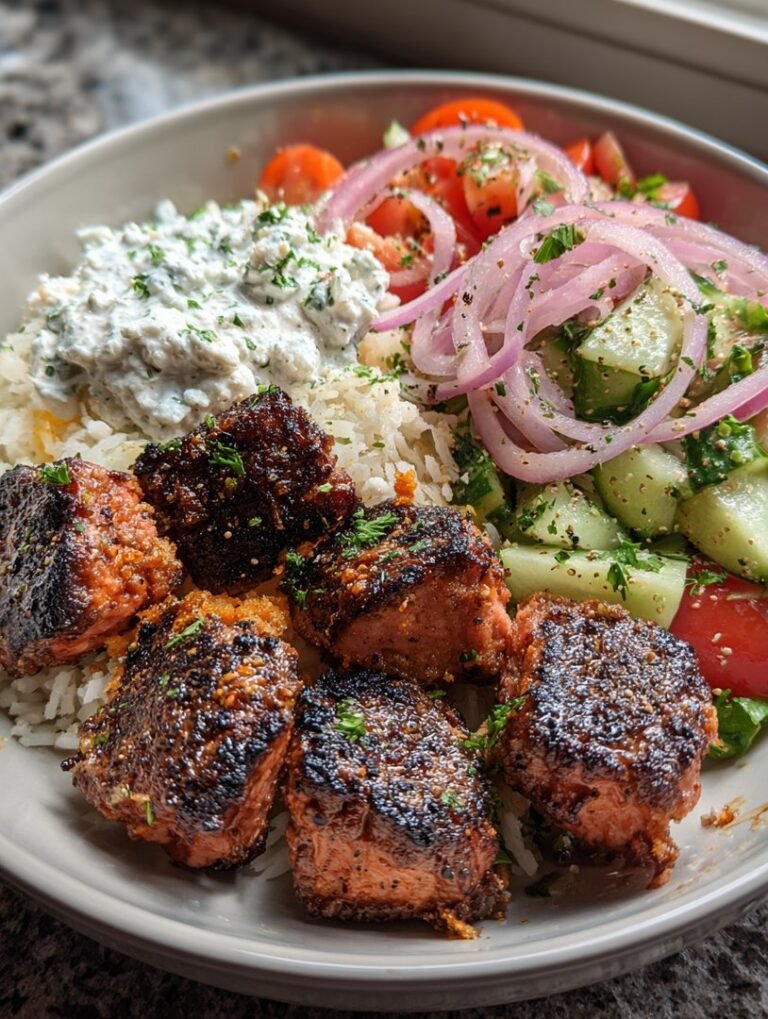
Mediterranean Steak Bowls
Marinated flank steak, bursting with lemon and oregano zest, sits atop fluffy quinoa and fresh veggies. This vibrant bowl offers perfect texture and flavor balance! Instructions & nutrition provided.
- Total Time: 35 minutes
- Yield: 4 servings
Ingredients
- Flank steak (1.5 pounds)
- Quinoa (1 cup dry)
- Extra Virgin Olive Oil (1/4 cup, plus more for drizzling)
- Lemon (1 large, juiced and zested)
- Dried Oregano (1 teaspoon)
- Cherry Tomatoes (1 pint, halved)
- English Cucumber (1 large, diced)
- Feta Cheese (1/2 cup, crumbled)
Instructions
- Step 1: Prepare the marinade for the steak. In a small bowl, whisk together the 1/4 cup olive oil, the juice and zest of half the lemon, and the dried oregano. Place the flank steak in a shallow dish, pour 3/4 of the marinade over the steak, and allow it to marinate at room temperature for at least 30 minutes. Season generously with salt and pepper.
- Step 2: Cook the quinoa according to package directions (usually 1 cup quinoa to 2 cups water/broth), bringing it to a boil and then simmering until all liquid is absorbed and the grains are fluffy. While the quinoa cooks, prepare the vegetables by dicing the cucumber and halving the cherry tomatoes.
- Step 3: Cook the marinated steak. Heat a large skillet or grill pan over medium-high heat. Sear the steak for 4-6 minutes per side for medium-rare (internal temperature of 135°F). Remove the steak from the heat, transfer it to a cutting board, and let it rest tented with foil for 10 minutes before slicing thinly against the grain.
- Step 4: Assemble the Mediterranean topping. In a medium bowl, combine the diced cucumber, halved cherry tomatoes, and crumbled feta cheese. Drizzle the vegetables with the remaining reserved marinade and the juice from the second half of the lemon. Gently toss until the mixture is well coated.
- Step 5: Build the steak bowls. Divide the cooked quinoa evenly among 4-6 serving bowls. Layer the thinly sliced steak over the quinoa, and then generously spoon the fresh Mediterranean vegetable and feta topping over the steak. Serve immediately.
Notes
- Store the quinoa and sliced steak refrigerated in an airtight container for up to 3 days, but always keep the fresh cucumber, tomato, and feta topping separate to maintain its crisp texture.
- To avoid overcooking the flank steak, reheat the slices very gently in a dry skillet or toaster oven until just warm, never allowing the steak to sizzle, before combining it with freshly heated quinoa.
- For an extra layer of cooling richness, serve the bowls with a generous dollop of creamy Greek yogurt mixed with a squeeze of lemon and a pinch of dried dill or fresh mint.
- The 10-minute resting period for the steak after searing is crucial: letting the juices redistribute ensures the flank steak remains tender when you slice it thinly against the grain.
- Prep Time: 15 minutes
- Cook Time: 20 minutes
- Method: Stovetop
- Cuisine: American






Leave a Comment