
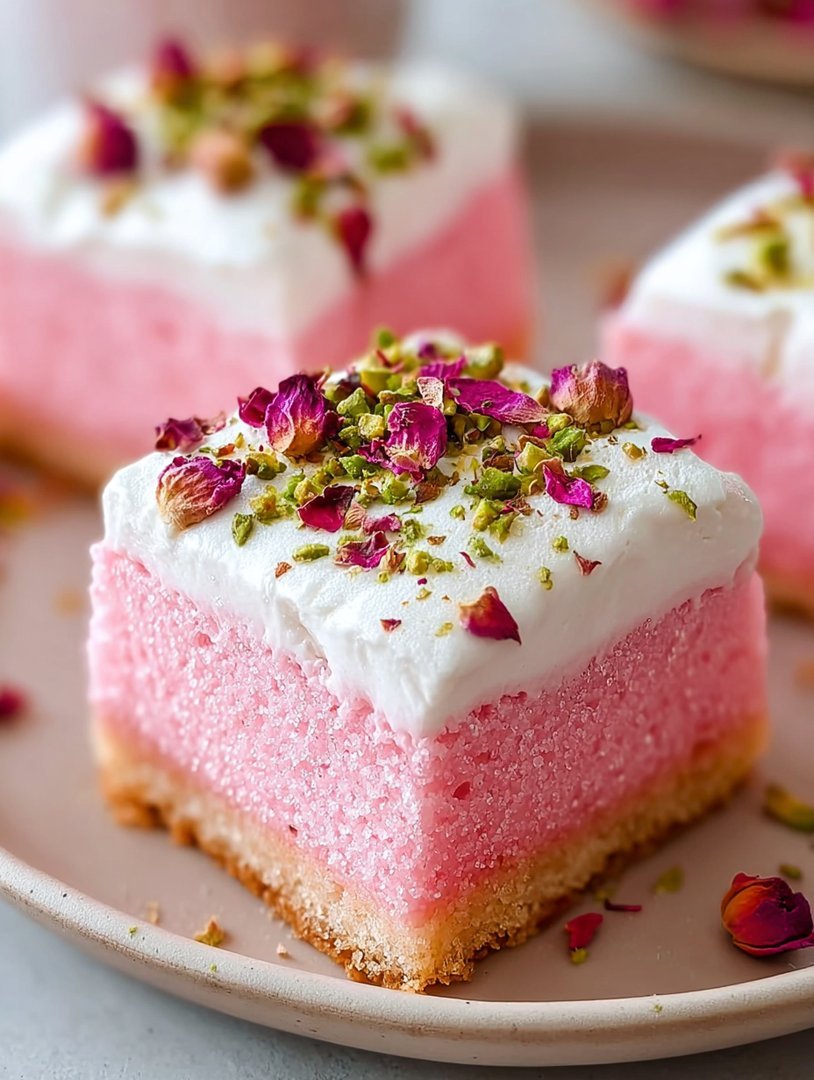
There are cakes, and then there are legendary cakes that make you want to stand up and applaud—or perhaps just hide in the pantry with a fork. My first attempt at a soaked cake was a disaster, resembling a soggy bath sponge, but then I met the magical, etherealRose Milk Cake. This isn’t just dessert; it’s a creamy, floral, pink-hued experience that whispers sweet nothings to your taste buds, making every moment feel like a high-tea party, even if you are just enjoying it in your pajamas.
Here are a few reasons why this recipe will become your new favorite:
- Achieve bakery-level results with surprisingly simple techniques, allowing even novice bakers to master this delicate and satisfying dessert in an afternoon.
- Experience an enchanting flavor profile where the richness of three milks perfectly complements the subtle, aromatic notes of pure rose water essence.
- The striking visual appeal, featuring a vibrant pink hue and stunning moist texture, makes this Rose Milk Cake the undeniable centerpiece of any celebration.
- This versatile dessert is ideal for summer gatherings, baby showers, or simply when you desperately need an incredibly luxurious and highly comforting weeknight treat.
Ingredients for Rose Milk Cake
Here’s what you’ll need to make this delicious dish:
- All-Purpose FlourUse a good quality, sifted flour to ensure the cake base remains light and airy, crucial for absorbing the milk mixture effectively.
- Baking Powder and SaltThese act as the primary leaveners and flavor enhancers, giving the sponge cake its necessary lift and balancing the sweetness.
- EggsSeparate the yolks and whites; whipping the whites to stiff peaks incorporates air, making the sponge extremely tender and soft.
- Granulated SugarThis provides sweetness to both the cake batter and the whipped egg whites, helping stabilize the meringue-like foam.
- Alcohol-Free Vanilla ExtractUse pure alcohol-free vanilla extract, not imitation, to add depth and warmth to the cake base before it meets the floral soak.
- Sweetened Condensed MilkThis is the anchor of the milk bath, providing intense sweetness and a thick, creamy consistency that permeates the cake.
- Evaporated MilkThis thin, unsweetened milk contributes to the liquid volume of the soak, ensuring the entire cake is thoroughly saturated without becoming overly sweet.
- Heavy Cream or Double CreamUsed both in the soaking mixture and whipped separately for the ethereal topping, adding essential richness and velvety texture.
- Rose WaterEssential for flavor; make sure to use high-quality, food-grade rose water, as cheap versions can taste artificial or overly perfumed.
- Red or Pink Food Coloring (Optional)A few drops of gel coloring helps achieve that iconic, appealing light pink shade in both the soak and the final topping.
The full ingredients list, including measurements, is provided in the recipe card directly below.
How to Make Rose Milk Cake
Follow these simple steps to prepare this delicious dish:
-
Prepare the Sponge Cake Base
Preheat your oven to 350°F (175°C) and lightly grease and flour a 9×13 inch baking pan. Whisk the dry ingredients—flour, baking powder, and salt—together in a medium bowl and set aside. In a separate, very clean bowl, beat the egg whites until soft peaks form, then gradually incorporate half the sugar until they hold stiff, glossy peaks. In a third bowl, beat the egg yolks with the remaining sugar and vanilla until the mixture lightens in color and becomes thick. Gently fold the dry ingredients into the yolk mixture, alternating with a small amount of milk, taking care not to overmix. Finally, delicately fold the stiff egg whites into the batter in three additions, using a spatula to preserve the air. Pour the batter into the prepared pan and bake for 25 to 30 minutes, or until a toothpick inserted into the center comes out clean. Allow the cake to cool slightly in the pan.
-
Whisk Together the Rose Milk Soak
While the cake is cooling, prepare the creamy soaking liquid. In a large measuring jug or bowl, combine the sweetened condensed milk, evaporated milk, and one cup of heavy cream. Stir vigorously until the mixture is fully homogenized. Now for the star: carefully measure and add the rose water. Start with a modest amount, tasting as you go, because rose flavor can quickly become overpowering. If you desire the signature pink hue, stir in 1 to 2 drops of food coloring until a soft, uniform pink develops. This mixture should be ready to soak immediately.
-
Saturate the Cake
Once the cake has cooled for about 15 minutes, use a long-tined fork or skewer to poke holes evenly across the entire surface. Ensure you reach the bottom but do not tear the cake apart. This perforation is absolutely essential for maximum saturation. Slowly and patiently pour the prepared rose milk soak over the entire surface of the cake, starting with the edges and working your way inward. The cake will initially look flooded, but it should absorb most of the liquid relatively quickly. Cover the pan loosely with plastic wrap and refrigerate for a minimum of four hours, although overnight chilling yields the absolute best results.
-
Create the Whipped Topping
Just before serving, prepare the simple yet elegant topping. In a chilled bowl, beat the remaining cold heavy cream with a tablespoon of granulated sugar until soft peaks begin to form. If you wish to maintain the rose theme, add a tiny splash of rose water to the cream before whipping, but be cautious not to add too much or the cream may refuse to stiffen properly. Beat until the mixture reaches medium-stiff peaks, maintaining a light, airy texture that is easy to spread. Do not over-whip, or you will end up with butter, which, while delicious, is not ideal for cake topping.
Transfer the whipped cream onto the chilled Rose Milk Cake, spreading it evenly across the top, and sprinkle with edible dried rose petals or chopped pistachios for the perfect finishing touch.
The Secret to the Signature Soak: Mastering the Milk Bath
The magic of a great milk cake lies entirely in the soak. Think of the sponge cake as a dry, thirsty canvas, and the three milks as the luxurious, hydrating paint. Many people rush this stage, but patience is your greatest ally here. When creating the mixture for yourRose Milk Cake, remember that the balance between the three types of milk is what prevents the cake from becoming simply mushy. Sweetened condensed milk provides the structure and sweetness, evaporated milk thins it slightly, and heavy cream adds that necessary richness and body that gives the final product its luxurious mouthfeel. The ratio matters profoundly; too much condensed milk results in a cake that is overwhelmingly sugary, while too much evaporated milk makes it watery and bland. I once accidentally substituted regular milk for evaporated milk and ended up with a slightly slimy, rather uninspiring result. Always stick to the trinity of milks specified in the recipe for guaranteed success.
Achieving the Ideal Texture
The key to a sponge cake that can actually handle this amount of liquid begins with proper egg separation and whipping. When you incorporate air into those egg whites, you are creating tiny internal scaffolding for the flour mixture. This airy structure acts like thousands of minuscule sponges, ready to absorb the rich milk bath without collapsing into a dense mess. If you skip whipping the eggs separately or deflate the batter by overmixing, your cake will become heavy, and the milk will simply sit on top, leading to a soggy bottom layer and a dry top layer. Another critical step is the cooling process. You should pour the soak over the cake while it is still slightly warm, but definitely not piping hot. A warm cake absorbs liquid faster and more evenly than a fully chilled one, ensuring the flavor reaches every single crumb. Aim for that perfect sweet spot of around 15 minutes out of the oven.
Why We Use Rose Water
Rose water is not just a flavor; it is an experience, instantly transforming this creamy dessert from a standard tres leches into an exotic, fragrant delicacy. It’s what gives theRose Milk Cakeits signature identity. Historically, rose water has been used in Persian, Indian, and Middle Eastern desserts for centuries, providing a floral counterpoint to heavy creams and nuts. However, working with rose water requires a light hand—think subtle romance, not overwhelming perfume. If you add too much, your cake will taste like soap and ruin the entire effect. I recommend smelling your rose water before adding it; if it smells aggressively floral, start with half the recommended amount and adjust incrementally. A perfect rose essence should be delicate and refreshing, cutting through the richness of the condensed milk beautifully.
Serving and Presentation Tips
Once your Rose Milk Cake has chilled adequately, the presentation is the final flourish that turns a great dessert into an unforgettable showstopper. Always cut the cake while it is still cold; this ensures clean, neat slices, as the milk-soaked cake can be quite delicate and prone to tearing if warm. When serving, consider adding contrasting textures and colors. A sprinkle of bright green, finely chopped pistachios provides a lovely crunch and visual contrast against the pink and white backdrop. Alternatively, a scattering of dried, edible rose petals elevates the elegance immediately, making it look like something straight out of a high-end patisserie. Serve each slice chilled, perhaps accompanied by a light, unsweetened cup of black tea or a few fresh raspberries to complement the floral notes. This cake is rich, so small servings go a long way, but I’ve watched even the most restrained guests sneak back for a second sliver, unable to resist the delicate creamy texture and fragrant rose essence.
Storage and Make-Ahead Advice
One of the best features of theRose Milk Cakeis that it truly improves with time. Because it is designed to be fully saturated, this is an ideal make-ahead dessert. You can bake the cake and prepare the soak 24 to 48 hours in advance. Keep the cake covered and chilled. Only add the whipped cream topping right before serving, as fresh cream tends to weep or lose its structure if left refrigerated for too long. Stored properly in an airtight container in the refrigerator, leftovers remain delightful for up to three or four days, provided you can resist finishing it all in one sitting. Be aware that the rose flavor deepens over time, becoming slightly more pronounced on the second day, which many connoisseurs actually prefer.
The Accidental Discovery of Sunshine on a Plate
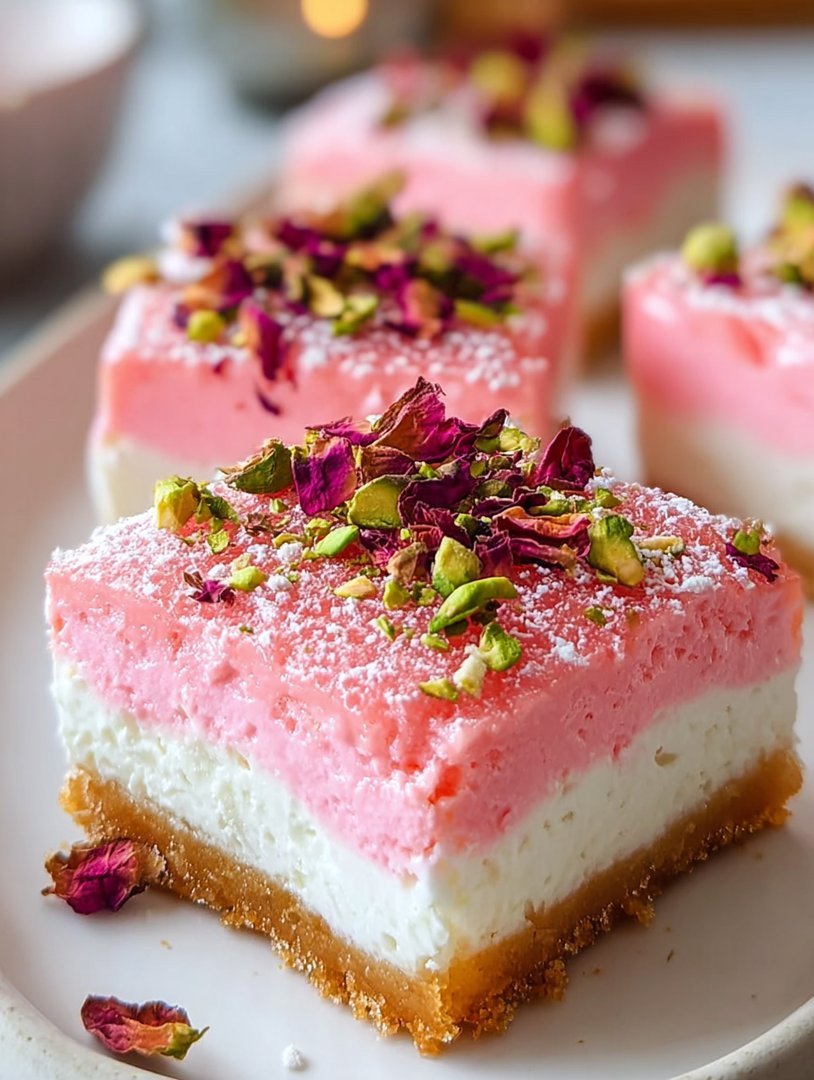
This dessert happened during a disastrous attempt at making basic vanilla cupcakes that utterly failed to rise. Dejected, I decided to drown the flat sponges in leftover condensed milk and a splash of rosewater. The result was not failure, but pure, fragrant sunshine—the ethereal, perfectly moist Rose Milk Cake.
Oh, the saga of the sad, deflated cake. We’ve all been there. You spend an hour carefully creaming butter and sugar, meticulously folding the flour, only to pull a dense, pale hockey puck from the oven. My initial reaction was to mourn the wasted effort, but then necessity—or perhaps a desperate need for sugar—sparked a moment of genius. Instead of tossing the lackluster result, I decided it needed a bath, a glorious, indulgent swim in a milky concoction. The moment that sponge absorbed the rose-scented liquid, transforming into a tender, moist cloud, I knew I had stumbled onto something truly spectacular.
Forget dry cake forever. The brilliance of this recipe lies in its simplicity and the sheer volume of moisture it delivers. It’s a dessert that tastes sophisticated and light, yet requires minimal fancy footwork. It’s the perfect antidote to a stressful week and an absolute showstopper for any gathering. If you love the intoxicating aroma of roses, prepare yourself for your new favorite dessert experience. Let’s dive into the details of creating this creamy masterpiece.
The Essential Components for a Celestial Treat
Before we embark on this fragrant journey, gather your components. This recipe requires two main elements: the light sponge base and the deeply flavorful milk soak. Quality ingredients matter immensely here, especially the rosewater. A high-quality, culinary-grade rosewater makes the difference between perfume and paradise.
The Light Sponge Cake Ingredients
- 2 cups all-purpose flour, sifted
- 1 tablespoon baking powder
- ½ teaspoon salt
- 1 cup unsalted butter, softened
- 1 ½ cups granulated sugar
- 4 large eggs, room temperature
- 1 cup milk (whole milk recommended)
- 2 teaspoons pure alcohol-free vanilla extract
The Rose Milk Soak Ingredients
- 1 (14 ounce) can sweetened condensed milk
- 1 cup evaporated milk (or heavy cream for richness)
- ½ cup whole milk
- 3 tablespoons culinary rosewater (adjust to taste)
- 1 teaspoon pink food coloring (optional, for aesthetics)
For Garnishing
- 1 cup chilled whipping cream
- 3 tablespoons powdered sugar
- ½ teaspoon rosewater
- Crushed pistachios or dried rose petals
Step-by-Step Guide to the Perfect Rose Milk Cake
Making the perfect Rose Milk Cake involves meticulous attention to temperature and timing, but the process itself is wonderfully straightforward. Think of it as therapy—creaming the butter and sugar is surprisingly satisfying.
Baking the Sponge Base
- Preheat your oven to 350°F (175°C). Grease and flour a 9×13 inch baking dish.
- In a medium bowl, whisk together the sifted flour, baking powder, and salt. Set aside.
- In a large mixing bowl, cream the softened butter and granulated sugar until the mixture is light and fluffy—this should take about 3 to 5 minutes. This step is critical for incorporating air.
- Beat in the eggs, one at a time, ensuring each egg is fully incorporated before adding the next. Stir in the alcohol-free vanilla extract.
- Alternately add the dry ingredient mixture and the whole milk to the wet ingredients, beginning and ending with the dry ingredients. Mix just until combined. Do not overmix, or you risk developing gluten, which leads to a tough cake.
- Pour the batter into the prepared baking dish and spread evenly.
- Bake for 25 to 30 minutes, or until a wooden toothpick inserted into the center comes out with moist crumbs attached.
- Let the cake cool in the pan on a wire rack for at least 30 minutes before moving to the next crucial step.
Perfecting the Cooking Process
Achieving the perfect Rose Milk Cake requires precise sequencing. First, ensure the cake is completely cooled before preparing the soak. Pouring cold milk over warm cake creates mush, not magnificence. Mix the milk soak ingredients thoroughly and chill them while the cake cools for maximum absorption and flavor retention.
The Art of the Soaking
The soaking process is where the magic happens, transforming a simple sponge into the tender Rose Milk Cake we crave. This step should never be rushed. Patience, my friend, is the secret ingredient.
- While the cake is cooling, whisk together the sweetened condensed milk, evaporated milk, whole milk, rosewater, and optional pink food coloring in a large bowl or pitcher. Ensure the rosewater is evenly distributed.
- Once the cake is cool (this is non-negotiable!), use a fork or skewer to poke holes all over the top surface. Be generous with the holes—they are the highways for the milk soak.
- Slowly pour about three-quarters of the chilled milk mixture evenly over the entire cake. You will watch the liquid eagerly disappear into the sponge.
- Cover the cake with plastic wrap and refrigerate for at least 4 hours, or preferably overnight. The longer it rests, the more saturated and delightful it becomes.
- Before serving, whisk the chilled heavy cream, powdered sugar, and remaining rosewater until soft peaks form.
- Spread the whipped topping over the chilled Rose Milk Cake and garnish with crushed pistachios or dried rose petals.
Expert Advice for Cake Perfection
Even the simplest recipes benefit from a few insider tricks. These three tips will ensure your floral soaked cake turns out flawlessly every single time.
- The secret to a fluffy base is sifting the dry ingredients twice. This incorporates crucial air and prevents a dense, rubbery cake texture.
- Do not overbake the cake! Remove it when a toothpick inserted comes out with moist crumbs attached, ensuring it stays soft for the milk soak.
- Use full-fat evaporated milk in the soak mixture; the higher fat content carries the rose flavor better and prevents the cake from dissolving.
Add Your Touch
If you prefer less intense floral notes, swap out a quarter of the rosewater for vanilla bean paste or a tiny dash of cardamom extract. For color, use beet powder instead of food coloring for a natural pink hue. Top it with chopped pistachios or dried cranberries for contrasting texture and flavor.
Creative Customization Ideas
While the classic milk cake is undeniably superb, part of the joy of baking is making it your own. If you are feeling adventurous, here are a few ways to elevate this dessert:
- Citrus Burst:Add the zest of one lemon or orange to the cake batter and a tablespoon of fresh juice to the milk soak. This brightens the flavor and creates a lovely contrast with the rose.
- Nutty Crunch:Instead of just garnishing with pistachios, fold ½ cup of finely chopped almonds into the cake batter before baking for a delightful surprise texture.
- Spice Blend:Introduce a hint of warmth by adding a quarter teaspoon of ground ginger or cinnamon to the dry ingredients. Be cautious not to overpower the delicate floral notes.
My neighbor, who claims to hate all floral desserts, devoured three slices at a block party. She sheepishly asked for the recipe later, proving this cake truly converts skeptics.
Troubleshooting Common Cake Crises
Baking can sometimes feel like a high-stakes science experiment, but most issues are easily fixable. The most common mishap with milk cakes is achieving the perfect saturation level without turning the cake into soup.
Why is My Cake Too Soggy?
If your final result is more pudding than cake, you likely poured the soak over a warm sponge. Warm cake absorbs liquids too rapidly and breaks down the cake structure, resulting in mush. Always chill the cake thoroughly. Another culprit is using too much condensed milk; remember the whole milk and evaporated milk balance out the sweetness and thickness.
How Do I Get That Perfect Pink Hue?
While the rose flavor is key, the pink aesthetic often contributes to the appeal of this floral soaked cake. If you are avoiding artificial coloring, a teaspoon of natural beet powder mixed into the milk soak provides a vibrant, healthy pink without altering the taste. Alternatively, you can steep a few hibiscus petals in the milk soak mixture for 15 minutes before straining them out.
Storing & Reheating
Store Rose Milk Cake tightly covered in the refrigerator for up to four days. Reheating is not recommended, as the delicate texture is best enjoyed cold. If you need to refresh the moisture after a day or two, gently add another tablespoon of the chilled milk soak right before serving.
This dessert holds up exceptionally well due to the protective milk barrier. In fact, many argue it tastes even better on day two, once the flavors have truly married and deepened. Just make sure to use an airtight container; you don’t want your delicate dessert absorbing the scent of last night’s beef stew!
Conclusion for Rose Milk Cake
The Rose Milk Cake is more than just a dessert; it is an experience of delicate flavor and unparalleled moisture. By following these steps—from ensuring the cake is cool before soaking, to utilizing high-quality rosewater—you guarantee a light, fragrant masterpiece. This recipe is a guaranteed crowd-pleaser that delivers elegance without complexity. It reminds us that sometimes, kitchen accidents yield the most beautiful and delicious results. Share this creamy, floral delight with friends, and watch their faces light up with pure culinary joy. It’s truly sunshine on a plate, disguised as cake.
Print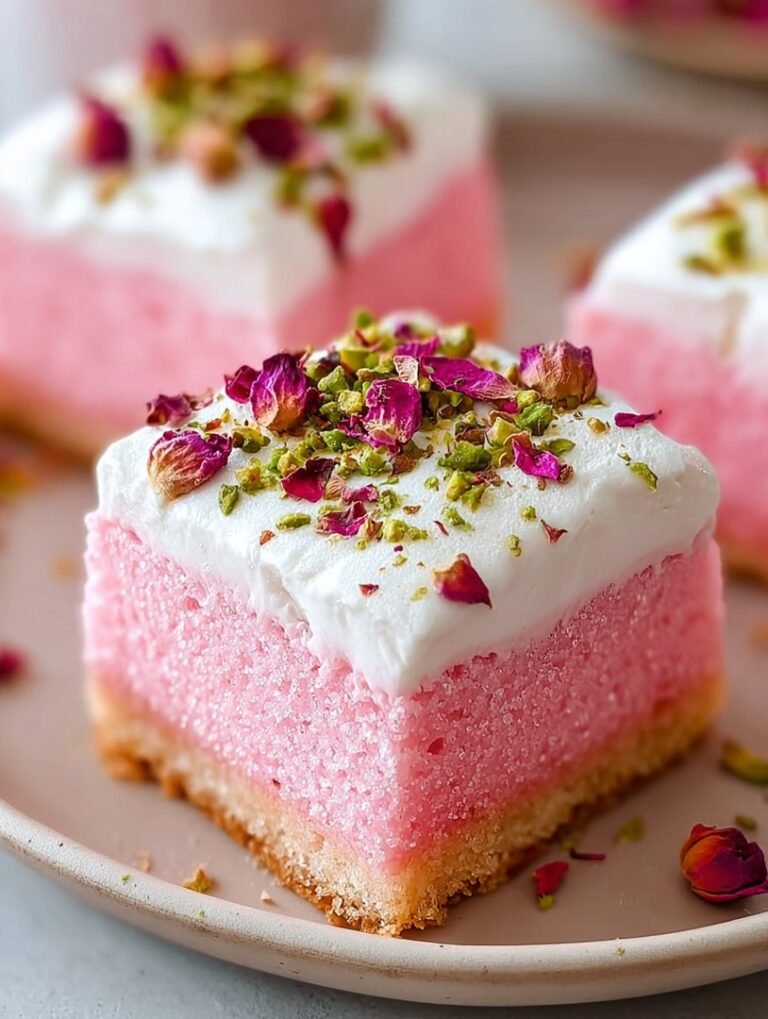
Rose Milk Cake
Discover the delicate blush and intoxicating aroma of Rose Milk Cake. Creamed eggs ensure a light base, perfect for soaking up the cooling, fragrant rose syrup milk.
- Total Time: 35 minutes
- Yield: 4 servings
Ingredients
- All-purpose flour: 1 ½ cups
- Granulated sugar: 1 cup
- Large eggs: 4
- Baking powder: 1 ½ teaspoons
- Evaporated milk: 1 can (12 oz)
- Sweetened condensed milk: ½ can (7 oz)
- Rose syrup (such as Rooh Afza): ¼ cup
- Heavy whipping cream: 1 ½ cups
Instructions
- Step 1: Preheat the oven to 350°F (175°C). Cream the sugar and eggs together until the mixture is pale and fluffy. Gently fold in the all-purpose flour and baking powder until just combined. Pour the batter into a greased 9×13 inch pan and bake for 25-30 minutes, or until a toothpick inserted into the center comes out clean.
- Step 2: While the cake is baking or cooling, prepare the rose milk soak. In a medium bowl, whisk together the evaporated milk, sweetened condensed milk, and the measured rose syrup until the mixture is uniform and pink.
- Step 3: Once the cake is out of the oven, allow it to cool for 15 minutes. Use a fork or skewer to poke deep, even holes across the entire surface of the cake. Slowly and evenly pour the prepared rose milk mixture over the cake, allowing the liquid to completely soak in.
- Step 4: Prepare the frosting by pouring the heavy whipping cream into a chilled bowl and beating it on high speed until stiff peaks form. Spread the whipped cream evenly over the top of the completely saturated cake.
- Step 5: Garnish the Rose Milk Cake with optional toppings such as crushed pistachios or dried rose petals. Refrigerate the cake for a minimum of 4 hours, or ideally overnight, before slicing and serving.
Notes
- Store leftovers tightly covered in the refrigerator for up to 3 days; this cake tastes even better on day two once the milk soak is fully integrated.
- For maximum saturation without the cake collapsing, ensure the cake has cooled for the recommended 15 minutes before poking the holes, and pour the milk soak very slowly around the edges first.
- Elevate the presentation by sprinkling finely crushed pistachios and a few dried rose petals on top just before serving for contrasting color and texture.
- To guarantee perfectly stiff peaks for your frosting, chill your mixing bowl and whisk attachment in the freezer for 10-15 minutes before whipping the heavy cream.
- Prep Time: 15 minutes
- Cook Time: 20 minutes
- Method: Stovetop
- Cuisine: American






Leave a Comment